Mar 26, 2026
It often starts with a frantic phone call and a voice that sounds just familiar enough to be a grandchild in trouble. For hundreds of families across North America, that single moment of panic was the gateway to a massive fraud operation that authorities say drained $30 million from unsuspecting seniors.
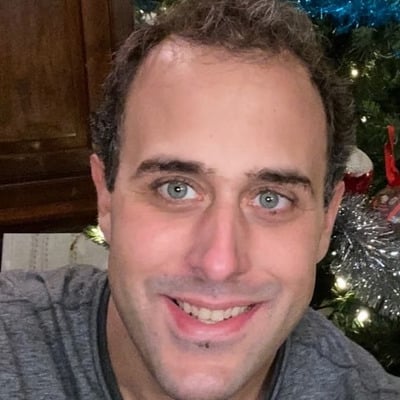
If you’ve been following the news regarding international fraud, the name Jimmy Ylimaki may sound familiar (1). For over a year, Ylimaki was a man on the move, avoiding authorities while his alleged accomplices faced the music. That run ended recently in Central America.
Advertisement
According to a press release from the United States Attorney’s Office for the District of Vermont, the 36-year-old Canadian national was apprehended in Nicaragua and subsequently removed to the U.S. to face charges. His arrest marks a significant milestone in a long-running investigation into a Montreal-based network that specialized in the "grandparent scam."
A network built on deception
The mechanics of the scam were as heartless as they were effective. Court documents suggest the group operated out of Montreal, targeting mostly American seniors. The fraudsters would pose as family members or legal professionals to convince victims that a loved one was in urgent legal trouble.
Ylimaki is described in court documents as having "operated as an attorney," allegedly pretending to be a lawyer to facilitate the transfer of funds from elderly victims. This added layer of perceived authority is a common tactic used to bypass the natural skepticism many people have when asked for money over the phone.
The scale of the operation was breathtaking. Police allege the network scammed hundreds of victims out of millions. The alleged mastermind behind the group, Gareth West, was known for presenting himself as a successful real estate mogul with interests in Montreal and southern Ontario before his own arrest in July 2025.
Must Read
- Stop the leak: 5 costs Canadians (still) overpay for every single month. How many are sabotaging your 2026 budget?
- What's your worth? Here are the 3 net worth milestones that change everything for Canadians (and what they say about you)
- Dave Ramsey says this 7-step plan ‘works every single time’ to kill debt, get rich — and that ‘anyone’ can do it
The long road to justice
While many of Ylimaki’s associates were caught during a sweep in March 2025 that saw two dozen people arrested in the Montreal area, Ylimaki remained at large. Evidence suggested he had been living in a coastal city in Costa Rica before moving to Nicaragua following West’s arrest.
Now in U.S. custody, Ylimaki faces a potential sentence of up to 20 years in prison. During a court appearance in Vermont, he entered a plea of not guilty. These allegations have not yet been tested in court, and the legal process is expected to be lengthy as other alleged members of the group contest their extradition to the United States.
A growing pattern of Canadian fraud networks
The $30 million case involving Ylimaki and West is part of a larger, troubling trend of organized fraud operating out of Canadian hubs. Montreal and the Greater Toronto Area have frequently appeared in recent investigations as central nodes for these high-stakes "emergency" schemes.
Just last year, a joint-forces operation known as Project Sharp led to the arrest of 14 individuals in Montreal linked to a similar national network. According to the Ontario Provincial Police, that group was responsible for over $2.2 million in reported losses across Canada. Like the Ylimaki case, Project Sharp suspects allegedly posed as lawyers or police officers, using "money mules" to collect cash directly from the homes of seniors.
More recently, in December 2025, police in Saskatchewan arrested two individuals from Quebec in connection with a series of grandparent scams that defrauded residents of over $45,000 in a single week. These groups often use similar scripts, claiming a grandchild was in a car accident involving a pregnant woman or a high-profile legal dispute to heighten the emotional stakes.
The Canadian Anti-Fraud Centre reported that while total victim counts for emergency scams saw a slight dip in 2024, the financial impact remains devastating. In that year alone, over 560 Canadians lost a combined $3 million to these specific tactics. The persistent nature of these networks shows that when one cell is dismantled, others often pivot to new regions, making the arrest of international fugitives like Ylimaki a rare but critical victory for law enforcement.
Article sources
We rely only on vetted sources and credible third-party reporting. For details, see our editorial ethics and guidelines.
CBC News (1)
You May Also Like
- Here are 6 simple ways to avoid the stress of living paycheque to paycheque, according to Suze Orman
- If you’re still feeling the pinch this month — don’t panic. Here are 5 easy ways to fix your finances without a total overhaul
- How Warren Buffett’s simple buy-and-hold real estate approach offers a lesson for Canadian homeowners and long-term investors
- Approaching retirement with no savings? Don’t panic, you're not alone. Here are easy ways you can catch up (and fast)

Leslie Kennedy served as an editor at Thomson Reuters and for Star Media Group, followed by a number of years as a writer and editor and content manager in marketing communications, before returning to her editorial roots. She is a graduate of Humber College’s post-graduate journalism program and has been a professional writer and editor ever since.