Sep 19, 2026
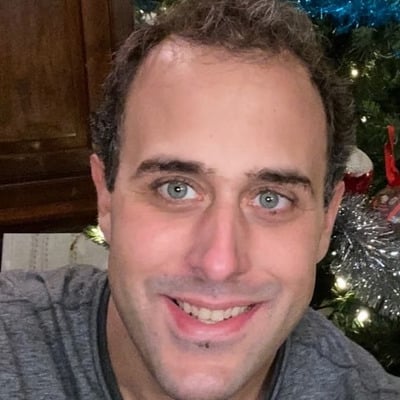
The self-proclaimed “Crypto King,” Aiden Pleterski, is set to stand trial in October 2026 on fraud and money laundering charges tied to more than $40 million investors say he never got back. If you’ve ever considered handing money to someone promising outsized, guaranteed crypto returns, this case is a reminder that “guaranteed” and “crypto” rarely belong in the same sentence.
Pleterski, of Whitby, Ontario, and an associate, Colin Murphy, were charged in May 2024 following a joint investigation by the Durham Regional Police Service (DRPS) and the Ontario Securities Commission (OSC), the independent Crown corporation that regulates the province’s capital markets. Pleterski faces one count of fraud over $5,000 and one count of laundering the proceeds of crime, according to the OSC. A judge has scheduled his four-week jury trial to begin October 5, 2026, according to CBC News. Pleterski has denied the allegations.
Advertisement
For Canadians who invest — or who’ve been pitched an investment by someone flashing a moneyed lifestyle online — the real story isn’t the mansion, the sports cars or the kidnapping that later made headlines. It’s how easily an unregistered individual was able to collect tens of millions of dollars, largely by promising something no legitimate investment can promise: Secured profits with no risk of loss.
Thanks for subscribing!
The best of Money.ca delivered weekly.
By signing up, you accept Money.ca Terms of Use, Subscription Agreement, and Privacy Policy.
Why the pitch worked
Durham police alleged Pleterski solicited funds from investors while guaranteeing there would be no loss of their original investment, according to the OSC. That single promise is one of the clearest warning signs of investment fraud. Markets, including crypto, fluctuate. Any advisor or platform claiming otherwise is either misrepresenting the risk or isn’t investing your money the way it says it is.
Crypto adds a second layer of difficulty: It’s harder for the average investor to verify. There’s no monthly bank statement and no easy way to confirm whether trades are actually happening. That opacity is part of why the alleged scheme continued as long as it did, according to CBC News.
Must Read
- A single line on your car insurance policy could be inflating your premium by up to 30% — here's what to change
- Here are 5 'must-haves' that Canadians constantly overpay for. How many of these are sabotaging your budget every single month?
- Here are the 5 biggest differences between rich and poor Canadians — which side do you fall on?
Join 20,000+ readers and get Money.ca’s best stories and exclusive interviews first — clear insights curated and delivered weekly. Subscribe now.
The one check most people skip
Before giving anyone money to invest — in crypto or anything else — the OSC recommends confirming this important piece of information. Ontario law requires anyone selling investments or giving investment advice to register with a securities regulator. You can look up this information for free through the Canadian Securities Administrators’ National Registration Search or through the OSC’s own Check Before You Invest page.
This isn’t a formality. Registered advisors have met proficiency requirements, follow know-your-client rules and can be held accountable by a regulator. If a name doesn’t show up in the database, that’s a reason to stop before you send a cent.
What to watch for beyond registration
A registration check is the first step, not the only one. Other signs worth taking seriously:
- Promises of guaranteed returns or “no downside”
- Pressure to invest quickly, often through social media or a personal connection
- Difficulty withdrawing funds, or vague explanations for delays
- Lifestyle marketing — luxury cars, trips, a mansion — used as proof of investing skill instead of audited results
Consider this hypothetical example: Let’s say a friend tells you they’re earning 15% a month trading crypto and offers to get you in. Even if the friend genuinely believes it, a 15% monthly return, compounded, would outperform nearly every professional fund manager in the world. That gap between the claim and what’s realistic is often the clearest signal something is wrong.
What to do next
If you’re already invested with someone whose registration you haven’t checked, confirm it this week — not after a red flag appears. If you can’t verify registration, or a firm is registered but the products it’s describing don’t match its registration category, the OSC’s Contact Centre (1-877-785-1555) takes tips and complaints. Anyone who believes they were solicited by Pleterski or Murphy specifically has been asked by the OSC to come forward.
The Crypto King’s trial will decide his legal guilt or innocence. But for Canadian investors, the more useful takeaway arrives well before any verdict: The fastest way to avoid becoming part of the next fraud case is the one step that takes less time than reading this article — checking registration before you invest, not after.
You May Also Like
- This 7-step plan from Dave Ramsey is designed to help you ditch debt, save more and build wealth — here’s how it works
- Prioritize these 4 critical investments and watch your net worth skyrocket
- Here are 8 solid money moves that could free up real cash every month — here's where to start
- Millionaires under 43 are reshaping investing — just 25% of their portfolios are in stocks. Here’s where their money is going
The most expensive financial mistakes are often the ones you don't see coming. Join 19,000+ Canadians who get the money moves, risks and opportunities shaping their finances — delivered free each week. Subscribe now.

Writer and editor based in Toronto with experience in personal finance, insurance, arts and culture and branded content.