
Mar 2, 2020
While we adhere to strict editorial guidelines, partners on this page may provide us earnings.
If you have paperwork bursting your home at the seams, there’s a solution -- and it’s not necessarily canceling that extra credit card you never use (although that might help).
We're all battling mountains of paper that can grow like something out of a horror movie. Some people approach paperwork by shredding it as soon as they've read it, while others meticulously keep every single financial record.
Advertisement
However, neither method is very efficient or helpful when you’re looking for that one important document.
Thanks for subscribing!
The best of Money.ca delivered weekly.
By signing up, you accept Money.ca Terms of Use, Subscription Agreement, and Privacy Policy.
The key to conquering the clutter is knowing which records to keep and which to toss. Here’s a quick and foolproof guide.
Keep these records for a short time
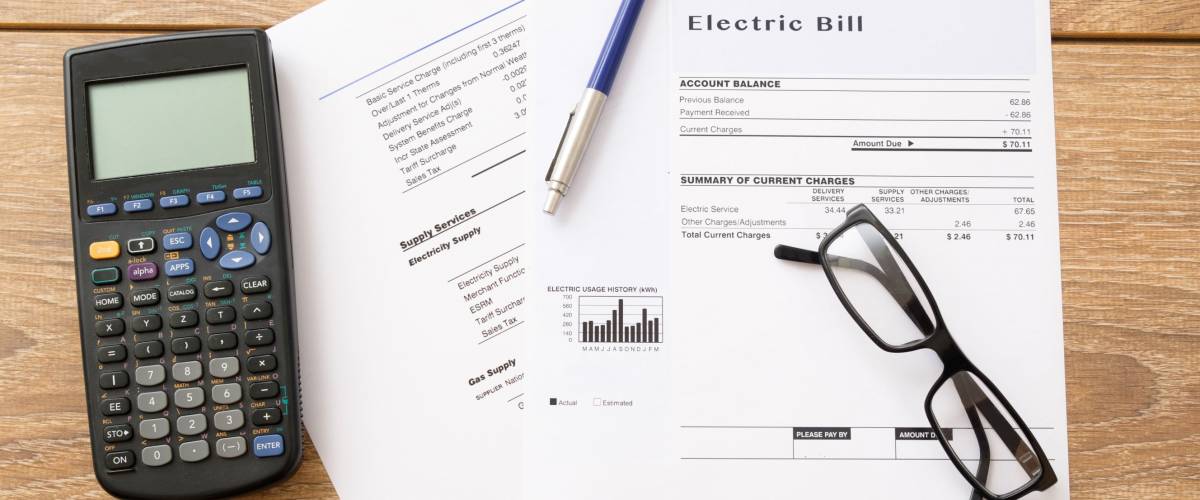
Hold onto paid and unpaid bills for at least a month
You should hold onto all bills (paid or unpaid), receipts and banking records (such as deposit slips and withdrawal receipts) for at least a month.
This paperwork might come in handy in case there are any discrepancies.
For example, if your lender claims you're a month behind on your mortgage, a bank statement — showing the check to the lender was cashed — can be used to show you paid. If your bank claims your $200 deposit was for only $100, your deposit slip can end the debate.
Must Read
- A single line on your car insurance policy could be inflating your premium by up to 30% — here's what to change
- Here are 5 'must-haves' that Canadians constantly overpay for. How many of these are sabotaging your budget every single month?
- Here are the 5 biggest differences between rich and poor Canadians — which side do you fall on?
Join 20,000+ readers and get Money.ca’s best stories and exclusive interviews first — clear insights curated and delivered weekly. Subscribe now.
The best way to store short-term records

Organize these records in a safe place and shred them before tossing them
Since these documents often contain sensitive information, it's important to store them in a secure place safe from prying eyes.

Advertisement
And once it's time to get rid of them, shred the documents to protect yourself from the risk of identity theft.
Many utility and credit card companies offer electronic billing statements. If you're computer savvy, this is a great option because the electronic documents can be accessed forever and decrease the number of papers you'll need to sort and shred.
Keep these records for a long time
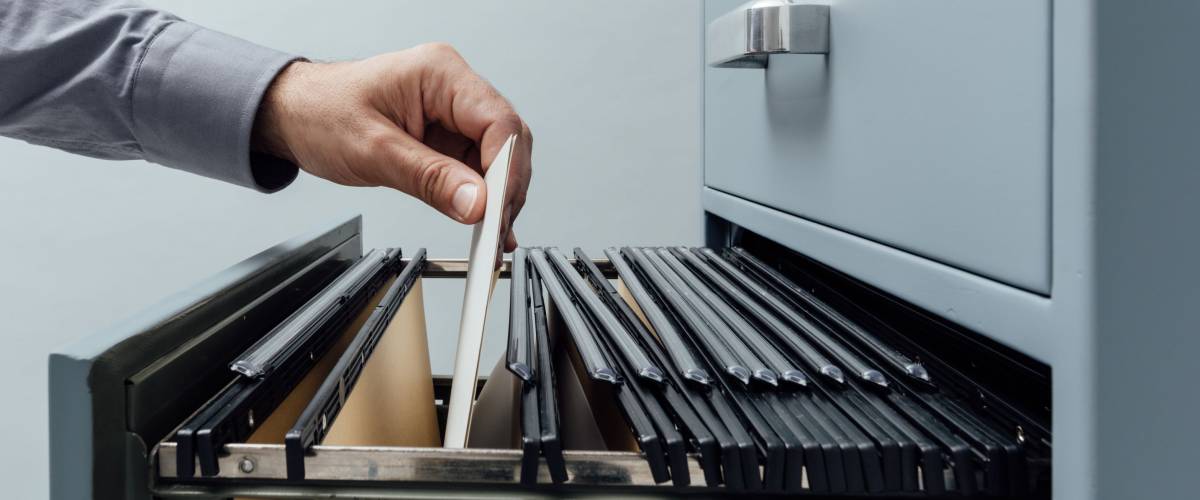
Store these records for a long time
Loan papers are the most common documents that need to be saved for the long haul. Whether it's a mortgage, a car loan or a loan for furniture, it's important to keep all of the original documents until the loan is paid in full.
Insurance papers also should be saved for a long time. Life insurance paperwork is best kept in an easy-to-find location so your family can access it if you pass away.
As for tax returns, they should be kept at least seven years. That's how long the Internal Revenue Service can audit your taxes. If you're audited, you'll be glad you still have your returns on hand.
The best way to store long-term records
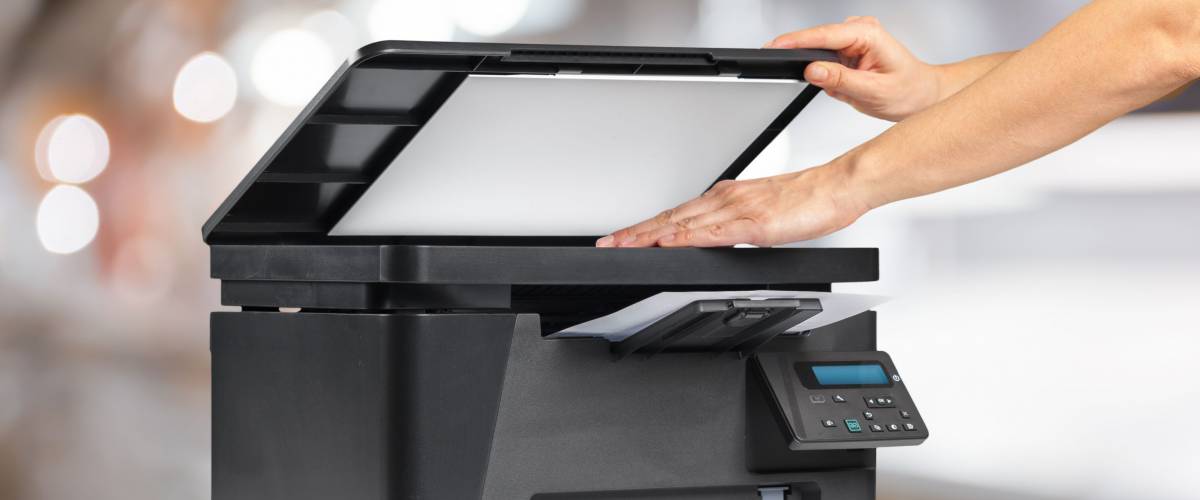
Scan, save and back up your most important records
Advertisement
Retaining an important document is meaningless if you can't find it when you need it.
A filing cabinet is a nice way of organizing your paperwork. But a greener, more efficient method is to scan important financial documents to a secure file on your computer.
Name each document clearly so it’s easy to locate. Consider making multiple folders within your digital file to keep things organized. ("Mortgage" folder, "Life Insurance," and so on.)
Always back up your digital filing, maybe by saving your files on a USB stick that you label and store somewhere safe. With important records, computer pros often have two backups, in case the first fails.
You May Also Like
- This 7-step plan from Dave Ramsey is designed to help you ditch debt, save more and build wealth — here’s how it works
- Prioritize these 4 critical investments and watch your net worth skyrocket
- Here are 8 solid money moves that could free up real cash every month — here's where to start
- Millionaires under 43 are reshaping investing — just 25% of their portfolios are in stocks. Here’s where their money is going
The most expensive financial mistakes are often the ones you don't see coming. Join 19,000+ Canadians who get the money moves, risks and opportunities shaping their finances — delivered free each week. Subscribe now.

Doug Whiteman was formerly the editor-in-chief of Money.ca. He has been quoted by The Wall Street Journal, USA Today and CNBC.com and has been interviewed on Fox Business, CBS Radio and the syndicated TV show First Business.

Mortgages • Oct 29
How Much Should You Put Down When You Buy a House?

Banking • Oct 29