Oct 4, 2026
If your retirement plans include a permanent address somewhere abroad, a new global index offers a place to start.
The 2026 Global Retirement Report and Index from Global Citizen Solutions (GCS), a residency and citizenship advisory firm, ranks 46 retirement and passive-income visa programs based on five factors: quality of life, mobility and citizenship, tax, procedure and cost of entry.
Advertisement
Fewer than four points separate first place from 10th, and GCS notes its scores are a comparative benchmark — not a measure of whether a destination suits you.
Thanks for subscribing!
The best of Money.ca delivered weekly.
By signing up, you accept Money.ca Terms of Use, Subscription Agreement, and Privacy Policy.
For Canadians, the visa is only half the math. The other half is what happens to your pensions and investments once you leave. Here are the top 10 picks, followed by what to check before you pack.
1. Uruguay: Income-based residency
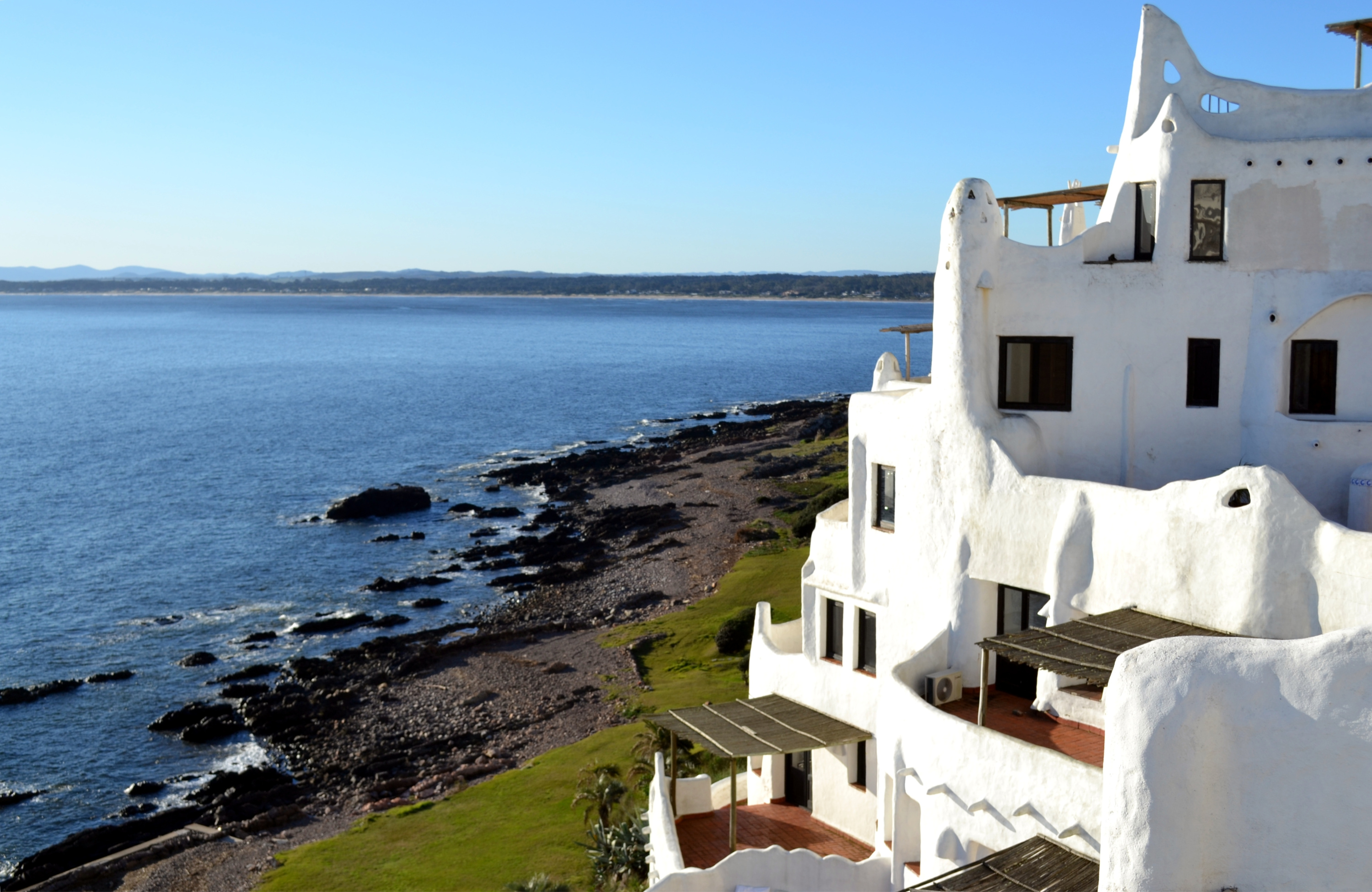
Uruguay wins on consistency, not any single category. If you can prove a reliable income of US$1,700 a month, you qualify for immediate permanent residency. Better yet, you can apply for citizenship after three years if you’re married, or five if you’re single. New residents can also opt into a foreign-income tax holiday.
Must Read
- A single line on your car insurance policy could be inflating your premium by up to 30% — here's what to change
- Here are 5 'must-haves' that Canadians constantly overpay for. How many of these are sabotaging your budget every single month?
- Here are the 5 biggest differences between rich and poor Canadians — which side do you fall on?
Join 20,000+ readers and get Money.ca’s best stories and exclusive interviews first — clear insights curated and delivered weekly. Subscribe now.
2. Mauritius: Residence permit for retired non-citizens

Mauritius leads the top 10 on tax: foreign pensions and income go untaxed, and there’s no wealth or inheritance tax. The income test is US$2,000 a month, with processing in four to six months.
3. Spain: Non-Lucrative Visa

Spain hits the top tier for lifestyle and mobility — but ranks last out of all 46 programs when it comes to taxes. The visa requires €2,400 a month in passive income, and residents pay 19% to 47% on worldwide income, plus wealth taxes.
4. Costa Rica: Pensionado visa


Advertisement
Costa Rica sets the lowest entry bar in the top 10: US$1,000 a month, with zero extra income required for a spouse or kids under 25. However, that income must be a lifetime pension, and approval typically takes 12 to 18 months.
5. Portugal: D7 visa
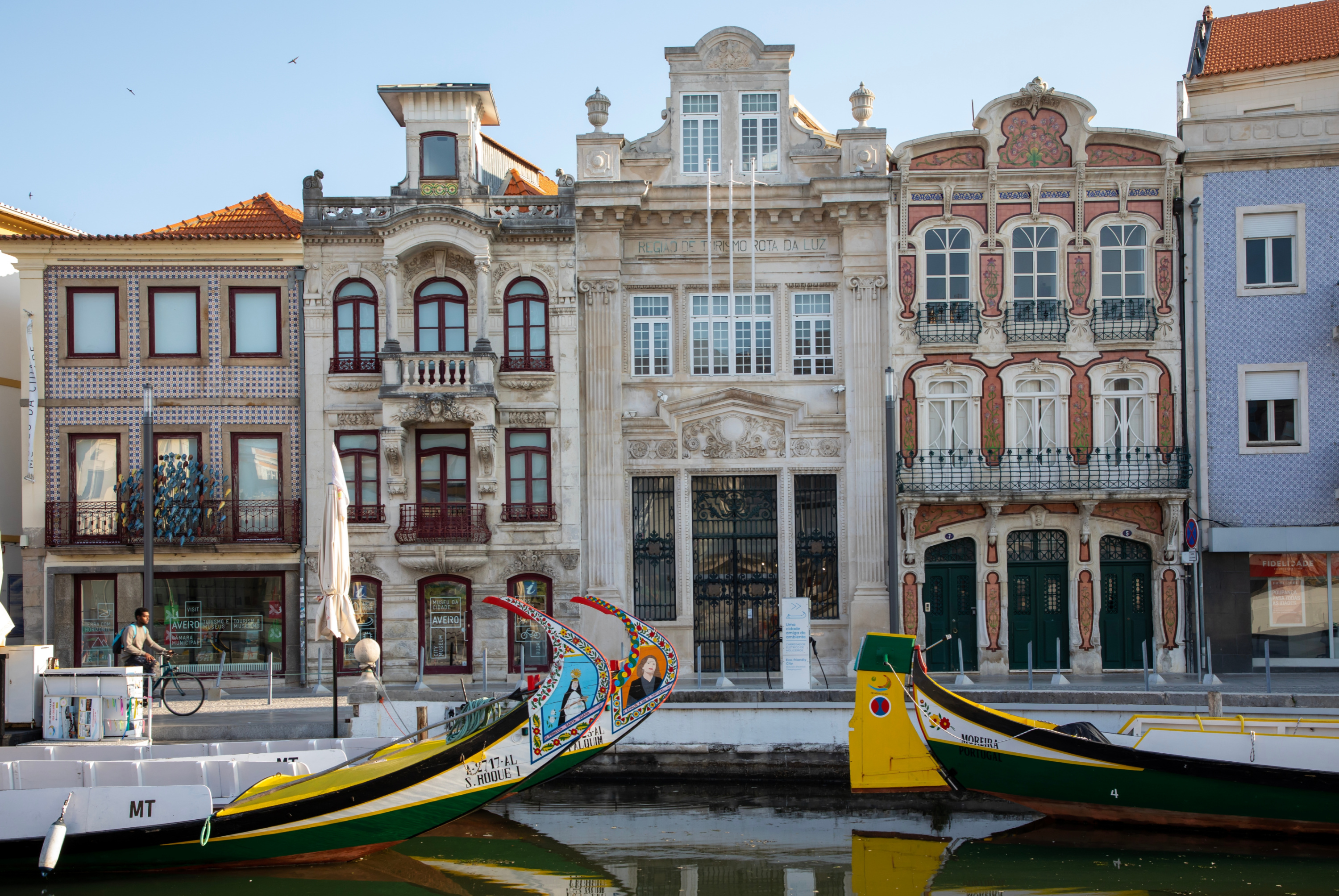
Portugal boasts the lowest threshold in Europe at just €920 a month — and accepts diverse passive streams like pensions, rental income and dividends. But reaching residency can take 18 to 24 months, worldwide income is taxed between 12.5% and 48%, and the wait for citizenship doubled to 10 years in May 2026.
6. Paraguay: Permanent residency via solvency

Paraguay qualifies applicants with US$1,200 a month in pension or dividend income, processes files in three to six months and charges about US$370 in fees. Foreign-source income is taxed at 0%. The trade-off is the lowest quality-of-life score in the top 10.
7. Latvia: Passive income residence permit

Latvia is the speed champion: approvals take just two months and the fee is a low €160. The catch? It’s strictly for pension-backed applicants aged 65+ from visa-free countries like Canada. The income threshold rose to €1,231 a month in April 2026.
8. Andorra: Passive residency

Andorra caps income tax at a low 10% with zero wealth or inheritance tax. Since February 2026, though, getting in requires a local investment of €1 million alongside roughly €55,000 in annual foreign income. Citizenship takes 20 years, and dual nationality isn’t recognized.
9. Italy: Elective Residency Visa

Advertisement
Italy requires €31,000 a year in passive income. Worldwide income is taxed at 23% to 43%, but pensioners who move to eligible small southern towns can pay a 7% flat tax on foreign income for up to 10 years.
10. Greece: Financially Independent Person Visa

Greece receives top marks for travel freedom and citizenship, allowing dual nationality and naturalization in seven years. The €3,500 monthly income bar is steep, but retirees lock in a sweet 7% flat tax on foreign income for up to 15 years.
What should Canadians check before they move?
Before you compare locations, check what follows you out of Canada. Old Age Security (OAS) can be paid abroad indefinitely only if you’ve lived in Canada for at least 20 years since age 18, according to Steps to Justice. Otherwise, payments stop after six months away.
Your OAS and Canada Pension Plan (CPP) payments also face a 25% non-resident tax unless a tax treaty with your new country lowers it, according to the Government of Canada.
And don’t forget about the departure tax. When you become a non-resident, the Canada Revenue Agency (CRA) treats certain property as sold — a deemed disposition — which can trigger a capital gain even if you don’t sell anything. The CRA lets you elect to defer the payment.
What to do now
Before applying anywhere, here are some things to be mindful of:
- Count your years in Canada since age 18 to confirm your OAS can follow you
- Look up your destination’s treaty rate on the government’s non-resident tax table
- Get a departure-tax estimate on non-registered investments before setting a move date
- Make sure your income type fits the visa — Costa Rica, for one, accepts only lifetime pensions
- Check how long your province lets you be away before you lose health coverage
The key takeaway? Start with your goal, not the leaderboard. Figure out if you are chasing tax savings, a second passport or a better lifestyle — then pick the spot with trade-offs you can actually handle.
You May Also Like
- This 7-step plan from Dave Ramsey is designed to help you ditch debt, save more and build wealth — here’s how it works
- Prioritize these 4 critical investments and watch your net worth skyrocket
- Here are 8 solid money moves that could free up real cash every month — here's where to start
- Millionaires under 43 are reshaping investing — just 25% of their portfolios are in stocks. Here’s where their money is going
The most expensive financial mistakes are often the ones you don't see coming. Join 19,000+ Canadians who get the money moves, risks and opportunities shaping their finances — delivered free each week. Subscribe now.

Amy Tokic is an SEO content editor for Money.ca. She holds a B.A. in Communications from the University of Windsor. Amy is an award-winning author and has been writing professionally for 15 years, publishing articles in the lifestyle and health sectors.