Oct 3, 2026
A fall weekend doesn’t necessarily need a boarding pass — at least, that’s what Canadians’ search history suggests.
Searches by Canadians for domestic fall stays are up 25% year over year, and searches for rural destinations have climbed nearly 30%, according to new data from Airbnb. And among Gen Z travellers, domestic fall searches are up nearly 40%.
Advertisement
Swapping a high-rise hotel for a lakeside cottage sounds budget-friendly, but it doesn’t automatically mean a smaller price tag. Ongoing cost of living pressures and higher gas prices — up 22.8% over the summer months — are significant factors to consider when planning a road trip.
Thanks for subscribing!
The best of Money.ca delivered weekly.
By signing up, you accept Money.ca Terms of Use, Subscription Agreement, and Privacy Policy.
To help, here’s what four of this fall’s top-trending small towns actually cost — and how to calculate the real price tag before you book.
Why are Canadians skipping big cities this fall?
Airbnb says fall remains the top season for weekend getaways. According to the data, people are favouring shorter, hassle-free trips — eliminating passports, border crossings and airport terminals. As Hannah Parish, Airbnb’s country manager for Canada, explains, “[Canadians] are becoming explorers closer to home this season.”
Keep in mind, however, that the Airbnb data is for searches made in Q2 2026 for fall travel dates — tracking what people are curious about, not trips that were actually booked.
Still, search trends appear to mirror federal data. According to Statistics Canada, higher fuel costs in July and August have prompted a price bump for tour packages. The extra jet fuel costs being passed down to Canadian travellers may be positioning drive-to destinations as more appealing, as long as the drive itself is in the budget.
Based on Airbnb data, the four top small-town roadtrip destinations included:
- Goderich, Ontario
- Haida Gwaii, British Columbia
- Montebello, Quebec
- Cochrane, Alberta
To help, here’s a sample trip budget for each location.
Must Read
- A single line on your car insurance policy could be inflating your premium by up to 30% — here's what to change
- Here are 5 'must-haves' that Canadians constantly overpay for. How many of these are sabotaging your budget every single month?
- Here are the 5 biggest differences between rich and poor Canadians — which side do you fall on?
Join 20,000+ readers and get Money.ca’s best stories and exclusive interviews first — clear insights curated and delivered weekly. Subscribe now.
Goderich, Ontario: Is ‘Canada’s prettiest town’ worth the drive?
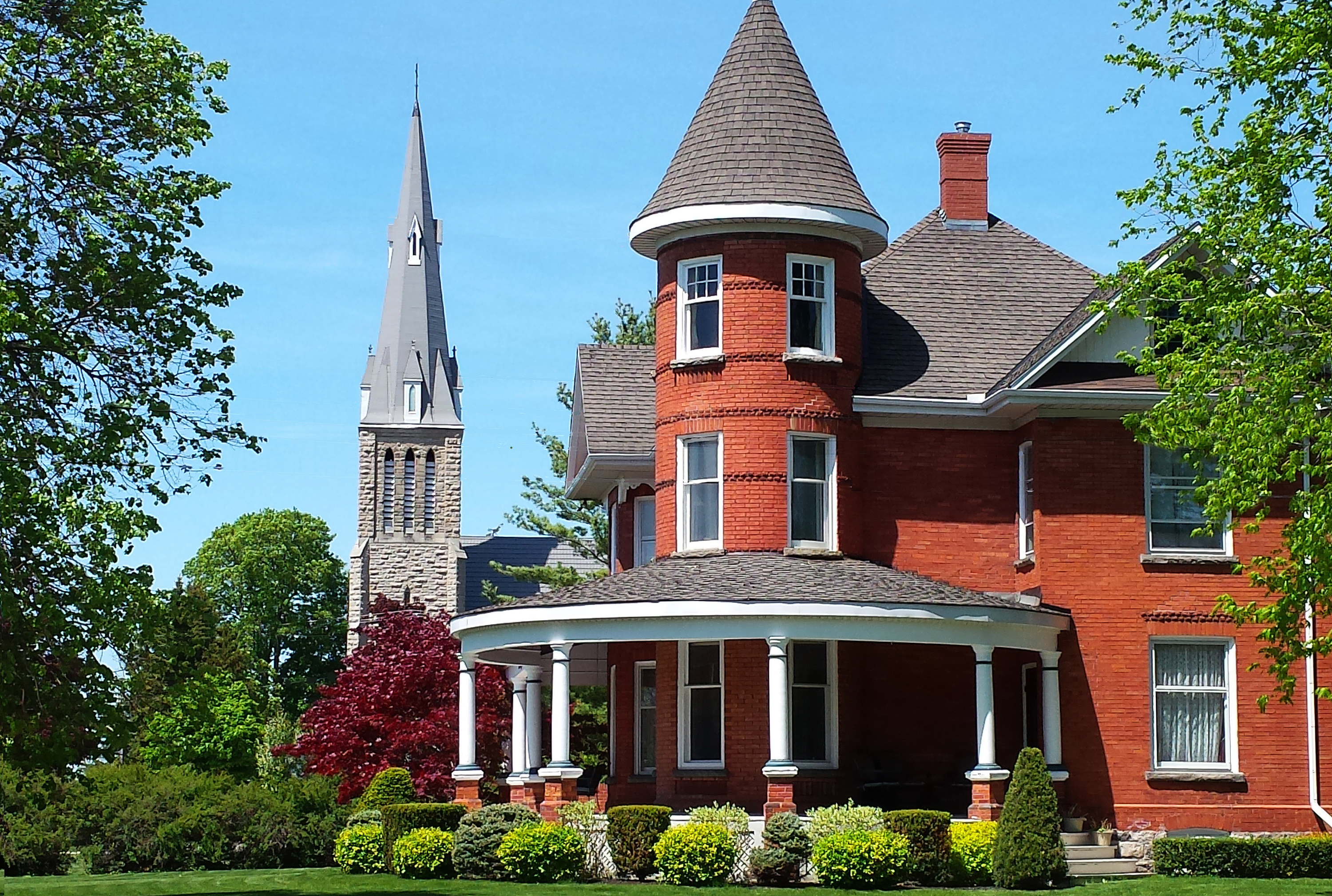
Goderich sits on Lake Huron, just over 200 kilometres from Toronto, according to Destination Ontario, the province’s tourism marketing agency. According to Airbnb, Goderich’s claim as Canada’s “prettiest town” dates all the way back to Victorian times — a title backed up by three sandy beaches and a scenic lakefront boardwalk.

Advertisement
The money catch is that bus service to the area is limited, so most visitors will need a car. A round trip from Toronto logs about 400 kilometers. Run that distance through your car’s fuel economy and today’s gas prices before deciding if it’s actually cheaper than a city staycation.
For example, if you drive a mid-sized SUV, the 800 km round trip would cost between $110 and $155 in fuel, depending on your SUV and how you drive.
Haida Gwaii, British Columbia: Can you do it on a weekend budget?
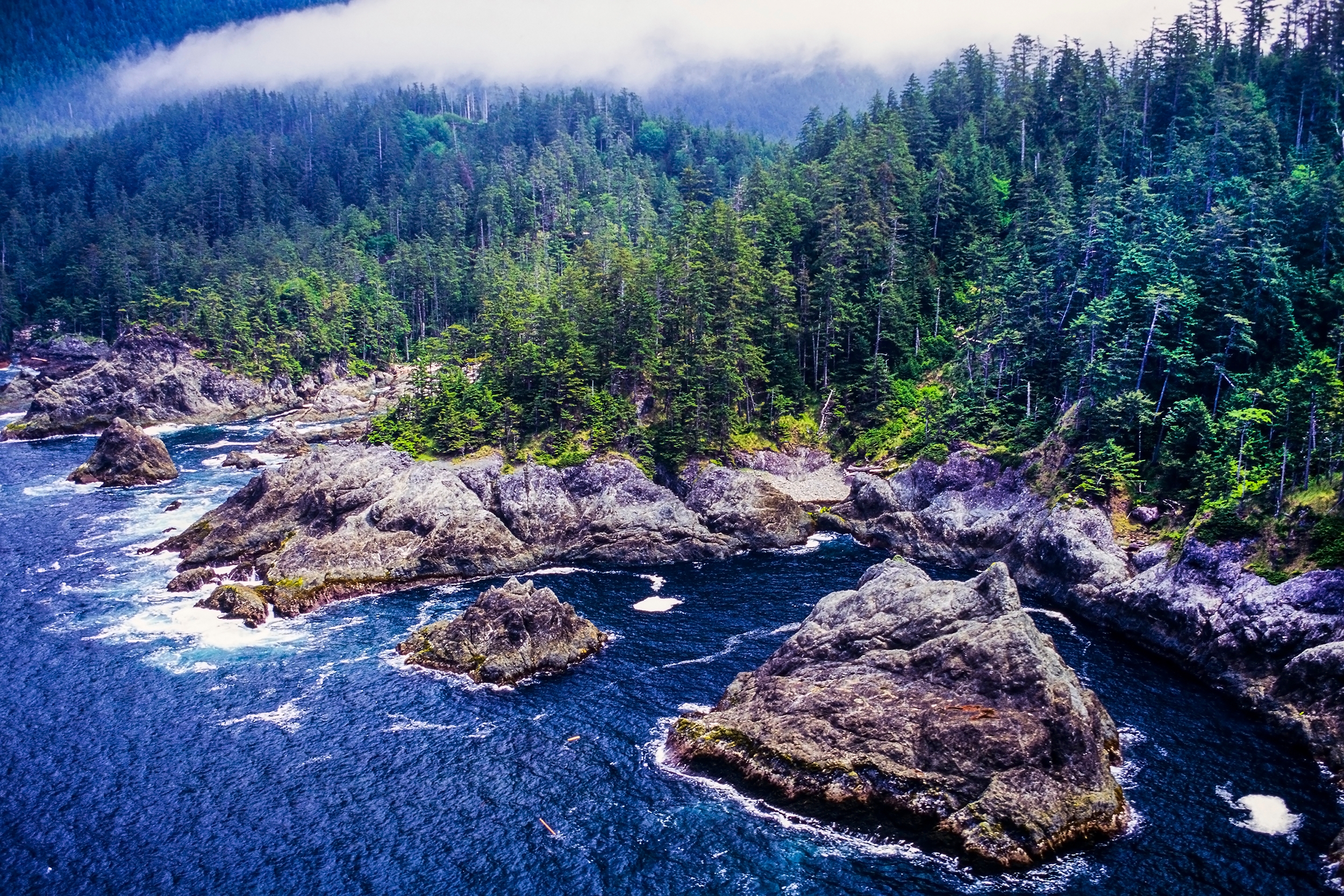
Tucked off B.C.’s north coast, this archipelago has become one of Airbnb’s hottest rural searches — thanks to its lush rainforests, rugged coastlines and the rich history at the Haida Heritage Centre.
BC Ferries sails from Prince Rupert to Skidegate, and reservations are required for both passengers and vehicles. Depending on the season, sailings run three to six round trips per week. But pay attention to ferry service changes: the summer schedule ends in mid-September. More infrequent departures means zero wiggle room if bad weather or delay hits. Always review the fare cancellation fine print first.
As a result, this weekend getaway may require a bit more planning — and funds.
For instance, the roundtrip drive between Vancouver and Prince Rupert is approximately 3,000 kilometres. That means setting a fuel budget between $400 and $520, depending on what you’re driving and how much gear you packed.
Assuming an SUV with two adults, the ferry costs will add another $565, if booked before Oct. 13 (or book the ferry in the off-season, after Oct. 14, and pay just over $460) for the return trip.
Advertisement
Keep in mind, this trip is more than a weekend getaway with the driving portion, alone, taking at least 17 hours.
Montebello, Quebec: What should you know before booking the château?
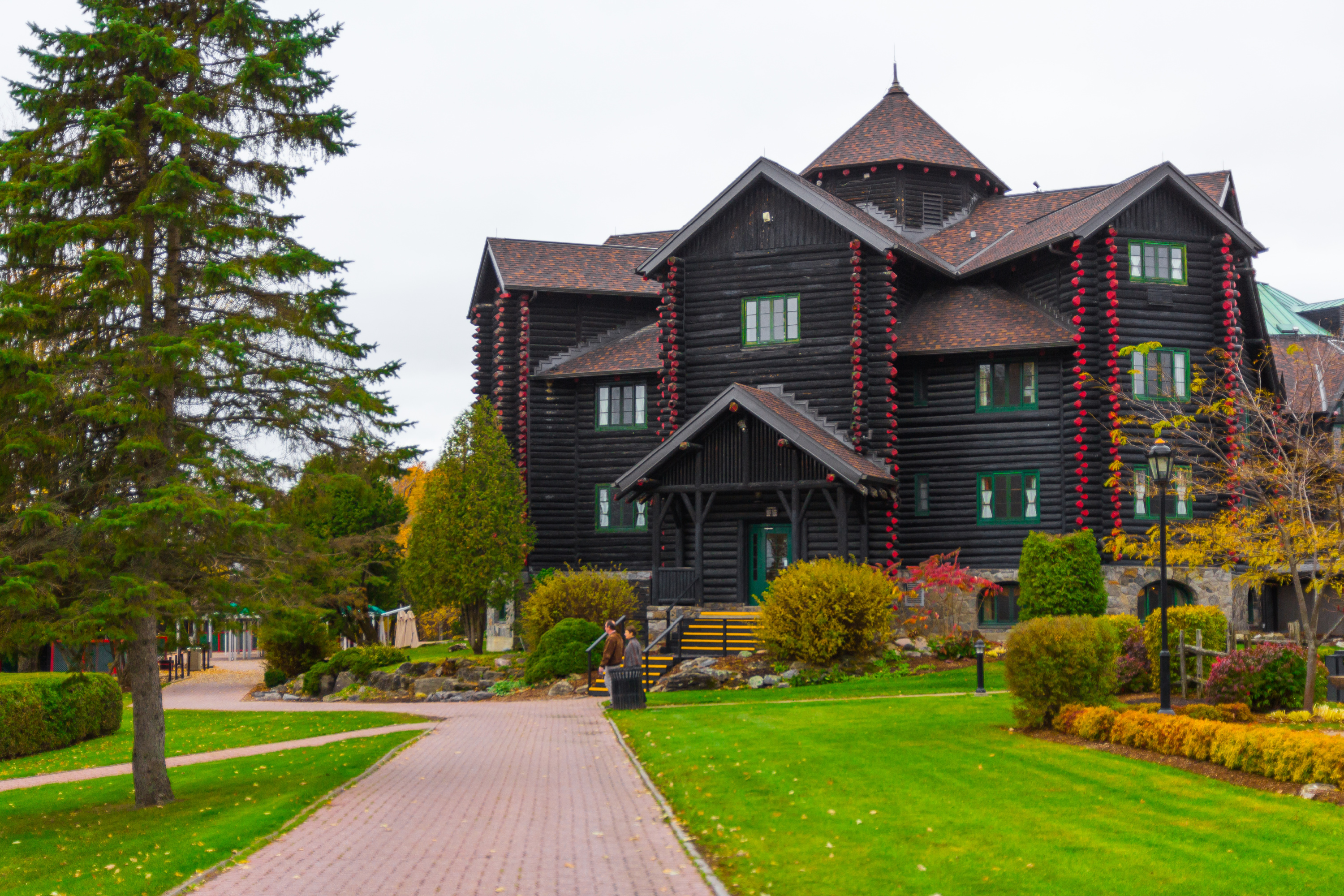
Montebello is roughly one hour from Ottawa and 90 minutes from Montreal, according to Colliers, a real estate services firm that operates in the area and was the broker for the most well-known property in the area, the Fairmont Le Château Montebell. Renowned as the largest log structure on the planet, the Fairmont Le Château Montebello blends historic luxury with a serious sense of scale.
The historic resort was placed in receivership after its owner, real estate firm Evergrande, racked up tens of millions of dollars in debt. The resort now stays open under Fairmont management. A Quebec court has since approved its sale to Westmont Hospitality Group.
To be clear, the rationale for this trip is to stay at the Fairmont Le Château Montebello — and rates for rooms in this historic cabin vary widely. According to Bonjour Québec the resort’s most expensive unit costs up to $2,599 per night, but savvy trip planners may find better deals.
While you may be more for accommodation, the fuel costs to get to the location shouldn’t break the bank. A roundtrip excursion from Ottawa should cost no more than $25 or $30, while a roundtrip from Montreal will be less than $50.
Advertisement
For Canadians planning to book a stay at the Fairmont Le Château Montebello, be sure to get your booking and terms in writing. When any property changes hands, it’s a good idea to keep a paper trail and to pay by credit card — in case you need to lodge a dispute regarding charges.
Cochrane, Alberta: Why is Gen Z searching for it?
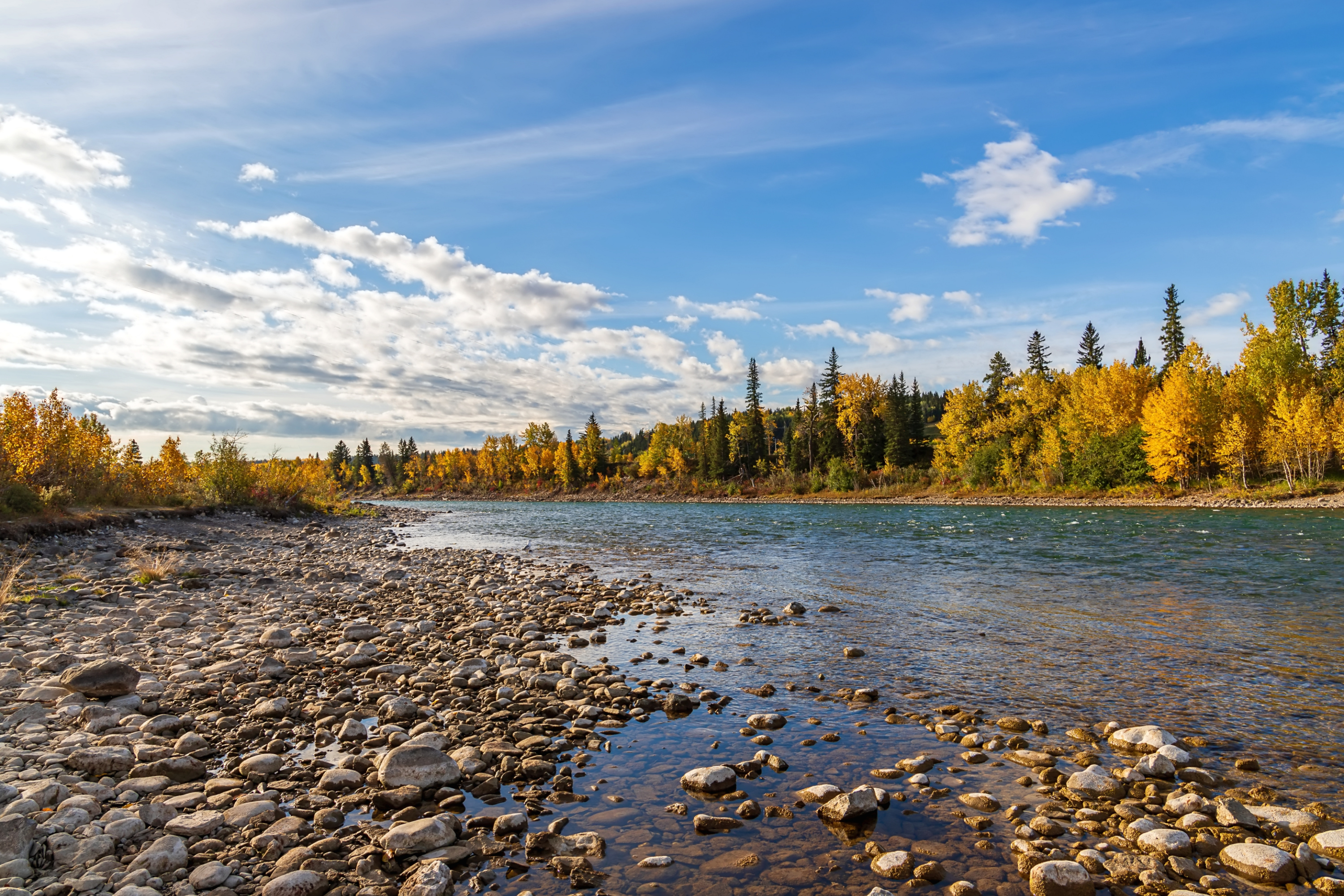
Cochrane snagged the top spot on Airbnb’s Gen Z wish list, driven by sweeping Rockies views from Cochrane Hill and miles of riverside trails in Glenbow Ranch Provincial Park.
It’s 20 minutes west of Calgary, according to Visit Calgary, the city’s tourism organization and about 600 kilometres from Edmonton, Alta.
For a roundtrip from Calgary, expect to pay no more than $15 in fuel charges; a roundtrip from Edmonton should cost less than $90.
But the real budget win is the cost of accommodation. As a smart, affordable launchpad for exploring the foothills, Cochrane’s average hotel stay ranges between $120 and $200 per night in the months of October through to December. Compare this with Banff, Alta. where nightly hotel rates range from $180 to $700 or more for the same time period.
What Canadians can do when booking any fall getaway
Before booking any small-town fall trip, run through this checklist:
- Price the whole trip, not just the nightly rate: fuel, ferry fares, parking and platform fees
- Estimate fuel costs using your vehicle’s rated consumption from Natural Resources Canada
- Choose refundable bookings where possible, especially for remote spots with limited sailings
- Read cancellation terms before paying and use a credit card
- Compare weekday and weekend rates if your dates are flexible
Small-town getaways can be a budget dream or an expensive luxury disguised in a cozy sweater. Doing the math is the key: always tally up your transit costs alongside your lodging before you buy into the ‘gram hype.
You May Also Like
- This 7-step plan from Dave Ramsey is designed to help you ditch debt, save more and build wealth — here’s how it works
- Prioritize these 4 critical investments and watch your net worth skyrocket
- Here are 8 solid money moves that could free up real cash every month — here's where to start
- Millionaires under 43 are reshaping investing — just 25% of their portfolios are in stocks. Here’s where their money is going
The most expensive financial mistakes are often the ones you don't see coming. Join 19,000+ Canadians who get the money moves, risks and opportunities shaping their finances — delivered free each week. Subscribe now.

Amy Tokic is an SEO content editor for Money.ca. She holds a B.A. in Communications from the University of Windsor. Amy is an award-winning author and has been writing professionally for 15 years, publishing articles in the lifestyle and health sectors.