
Oct 24, 2026
For many Canadians, an ideal retirement looks something like this: fewer snow shovels, more palm trees and hopefully, no more bagged lunches. Winter coats are replaced with flip-flops, rush-hour traffic turns into a tropical getaway and suddenly, life slows down in the best way possible.
That’s exactly why the Caribbean has been a go-to retirement destination for Canadians for decades, and honestly, it’s not hard to see why.
You’ve got year-round warm weather, laid-back island vibes, friendly communities and relatively short flights back to Canada when you want to visit family and friends (or when you’re craving a Tim Hortons double-double).
On top of that, many Caribbean countries offer a surprisingly affordable cost of living, solid and reliable healthcare systems and residency programs specifically designed for expats and retirees from abroad. Not bad, right?
That said, the Caribbean isn’t a one-size-fits-all situation. Some islands are great if you’re trying to keep costs low, while others lean more toward luxury living.
We’ll look at affordability, safety, healthcare access, visa requirements and overall quality of life so you can figure out which destination actually makes sense for you, not just which one looks good on a postcard.
Let’s get into it.
Our methodology
To determine the best places to retire in the Caribbean, we evaluated each destination using criteria that matter most to retirees, especially Canadians. Let’s face it: most retirees are not spring chickens anymore, so things like healthcare and safety matter.
And we aren’t just picking names out of a hat. There is a methodology to our madness, and we want to be transparent about our choices on this list. Retirement is a huge deal and a major change in lifestyle, so you will want to make sure you check off all of the right boxes before taking that leap.
Our rankings consider the following criteria:
- Cost of living: Housing, groceries, utilities and daily expenses will make up a bulk of your costs in retirement. Do you have enough pension and investments to cover day-to-day costs?
- Healthcare access: Availability of private or public healthcare and the quality of medical facilities.
- Safety and political stability: Crime levels and overall security, as well as the stability of the government.
- Residency and visa options: Ease of staying long-term or retiring permanently. Which documentation or financial information is required?
- Climate and lifestyle: Weather, beaches, outdoor activities and the pace of day-to-day life
- Infrastructure: Transportation, internet, utilities and access to international airports
- Expat and retiree communities: Ease of integration, availability of social networks and even if English is common in the region.
Each destination on this list offers a strong mix of lifestyle appeal, affordability and retirement-friendly conditions. But as with anything in life, each has its own pros and cons, which can set a location apart, and help you to decide where might be the best for you to retire in the Caribbean.
Must Read
- A single line on your car insurance policy could be inflating your premium by up to 30% — here's what to change
- Here are 5 'must-haves' that Canadians constantly overpay for. How many of these are sabotaging your budget every single month?
- Here are the 5 biggest differences between rich and poor Canadians — which side do you fall on?
Join 20,000+ readers and get Money.ca’s best stories and exclusive interviews first — clear insights curated and delivered weekly. Subscribe now.
1. Dominican Republic
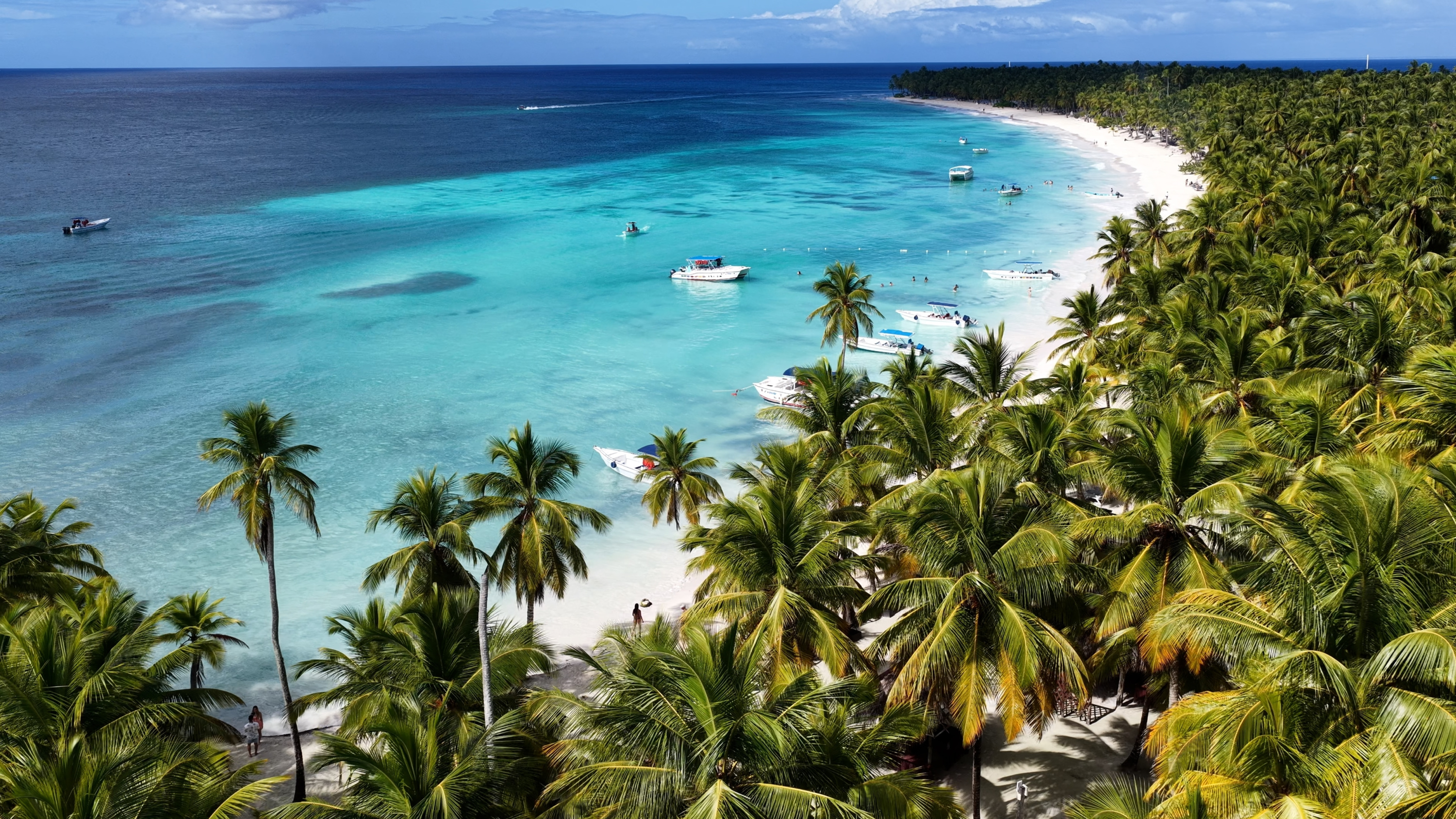
The Dominican Republic is one of the most popular Caribbean retirement destinations, due to its affordability and diversity. There’s a wide range of places to live, including beach towns, mountain cities or lively urban centres like Santo Domingo.
This island offers some of the most beautiful and scenic beaches in the world. With crystal blue water that’s teeming with wildlife, Canadian retirees will marvel at this real-life tropical paradise.
Healthcare is affordable and available throughout the island in both public hospitals and private clinics. The cost of living is much lower than in Canada, and with plenty of flights between the two countries, you’re never too far away from loved ones back at home.
- Estimated monthly cost: $1,400 to $1,900
- Healthcare: Good private healthcare options in major cities, with many hospitals catering to both locals and expats.
- Why retirees love it: Affordable housing, warm weather year-round, large expat communities and easy residency options.
- Visa requirements: The Dominican Republic offers the Pensionado Visa, which requires a monthly income of about $2,000.
2. Barbados
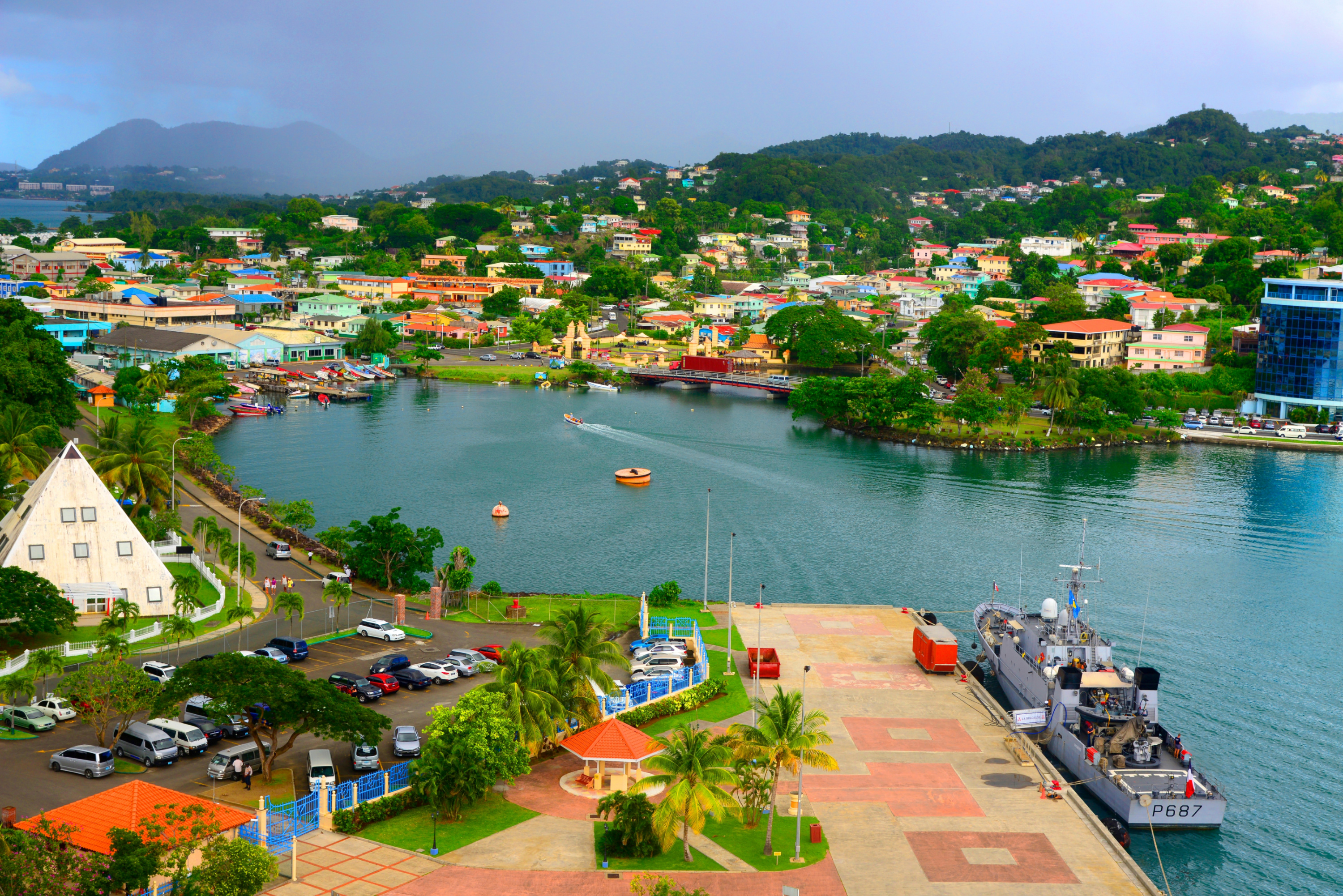
Barbados is one of the more interesting countries in the Caribbean. It has all of the elements of a tropical paradise, but with a British influence. It’s one of the most secure areas in the region and has become a popular place for expats to retire.
Given its safety and excellent healthcare system, it should come as no surprise that Barbados has a higher cost of living than most of the other countries in the region. Another incentive for Canadians? Barbados’ official language is English, making the transition that much easier.
Estimated monthly cost: $2,000 to $2,500
Healthcare: High-quality public and private healthcare options, with some private hospitals catering to expats.
Why retirees love it: Political stability, strong healthcare, English-speaking population, beautiful beaches and a relaxed but refined lifestyle.
Visa requirements: High-income individuals can apply for the Special Entry and Reside Permit (SERP). Most retirees will likely be applying for immigrant status at 60 years of age or older. After five years of this status, retirees can apply for permanent residency in Barbados.
3. Belize

Compared to the other names on this list, Belize is probably one of the most under-the-radar. Located south of Mexico and east of Guatemala, Belize has become a popular vacation and retirement destination for those seeking a laid-back lifestyle in a tropical climate.
Housing and the cost of living are affordable, especially in areas away from the tourist hot spots. It offers a wonderful balance of city life and immediate access to nature in the form of beaches and jungles. Like Barbados, Belize’s official language is English, and akin to many places in the Caribbean, Belize is less than a five-hour flight from Toronto.
Estimated monthly cost: $1,500 to $2,000
Healthcare: Larger towns in Belize, like Belize City, offer private clinics and hospitals for those willing to pay for them.
Why retirees love it: Belize is a safe, English-speaking country with amazing beaches, tropical jungles and enough peace away from tourist epicentres.
Visa requirements: Belize has a friendly visa program. The Qualified Retirement Program (QRP) allows foreigners to retire in the country who are at least 40 years old, have a monthly income of about $2,700 from outside of Belize and live in the country for at least 30 days each year.
4. Curaçao
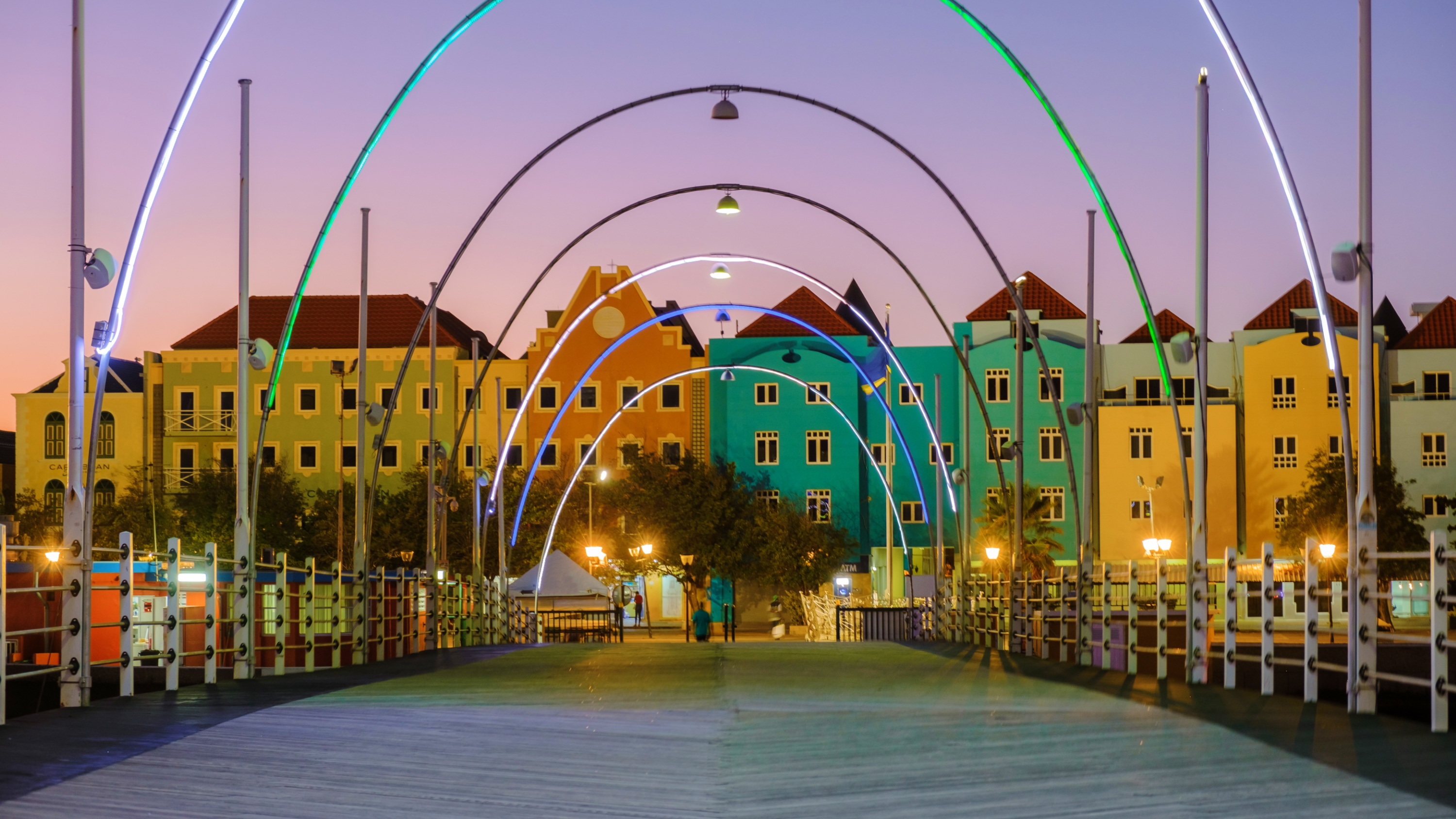
Curaçao is another Caribbean destination that has a heavy European influence. This nation is owned by the Kingdom of the Netherlands, although it is a self-governing constituent. Curaçao boasts a strong, modern infrastructure, with an excellent healthcare system.
Similar to Barbados, Curaçao has a slightly higher cost of living relative to its Caribbean neighbours. But with those higher costs comes a sense of safety and a stable political environment. Although Dutch and Spanish are generally recognized as the country’s main languages, English is also widely spoken.
Estimated monthly cost: $2,000 to $2,800
Healthcare: Solid healthcare system with modern hospitals and well-trained medical specialists. The private healthcare system will cost you, but expats widely use it.
Why retirees love it: Stable Dutch governance, beautiful beaches and crystal-clear waters. Curaçao is also out of the hurricane belt, which is a big plus in that area of the world.
Visa requirements: For Canadian retirees who wish to stay longer than 90 days, you must apply for a residence permit as a retired person or pensionado. This permit requires some proof of financial self-sufficiency or even an investment in local real estate.
5. Jamaica
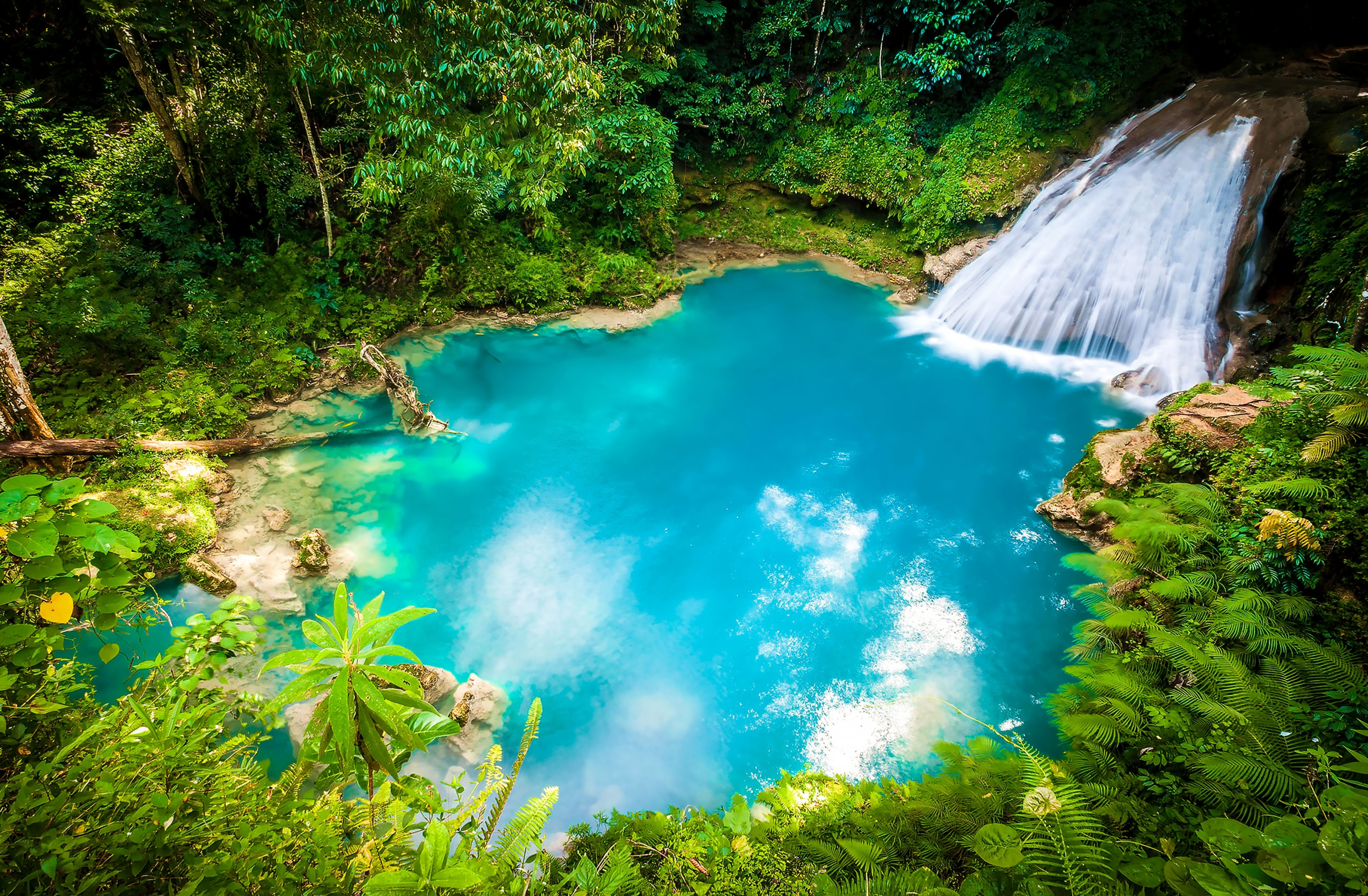
This is perhaps the country that most people think of when looking for a Caribbean destination to visit or settle down in. Jamaica is widely known for its vibrant culture, friendly locals and stunning scenery. Warm temperatures year-round and incredible food are just the tip of the iceberg when it comes to life in Jamaica.
Living costs can be very affordable for Canadian retirees, especially if you stay away from the tourist zones. There are plenty of expat communities that are thriving in Jamaica, especially around Montego Bay.
Estimated monthly cost: $1,600 to $2,200
Healthcare: Public healthcare is available, but most expats opt for private hospitals and clinics.
Why retirees love it: Warm weather, beautiful beaches, an incredible culture and everyone speaks English.
Visa requirements: Canadian retirees can stay in Jamaica for up to six months without a visa. If they wish to stay longer, they will need to apply for permanent residency with proof of income, usually about $2,000 per month.
6. St. Lucia
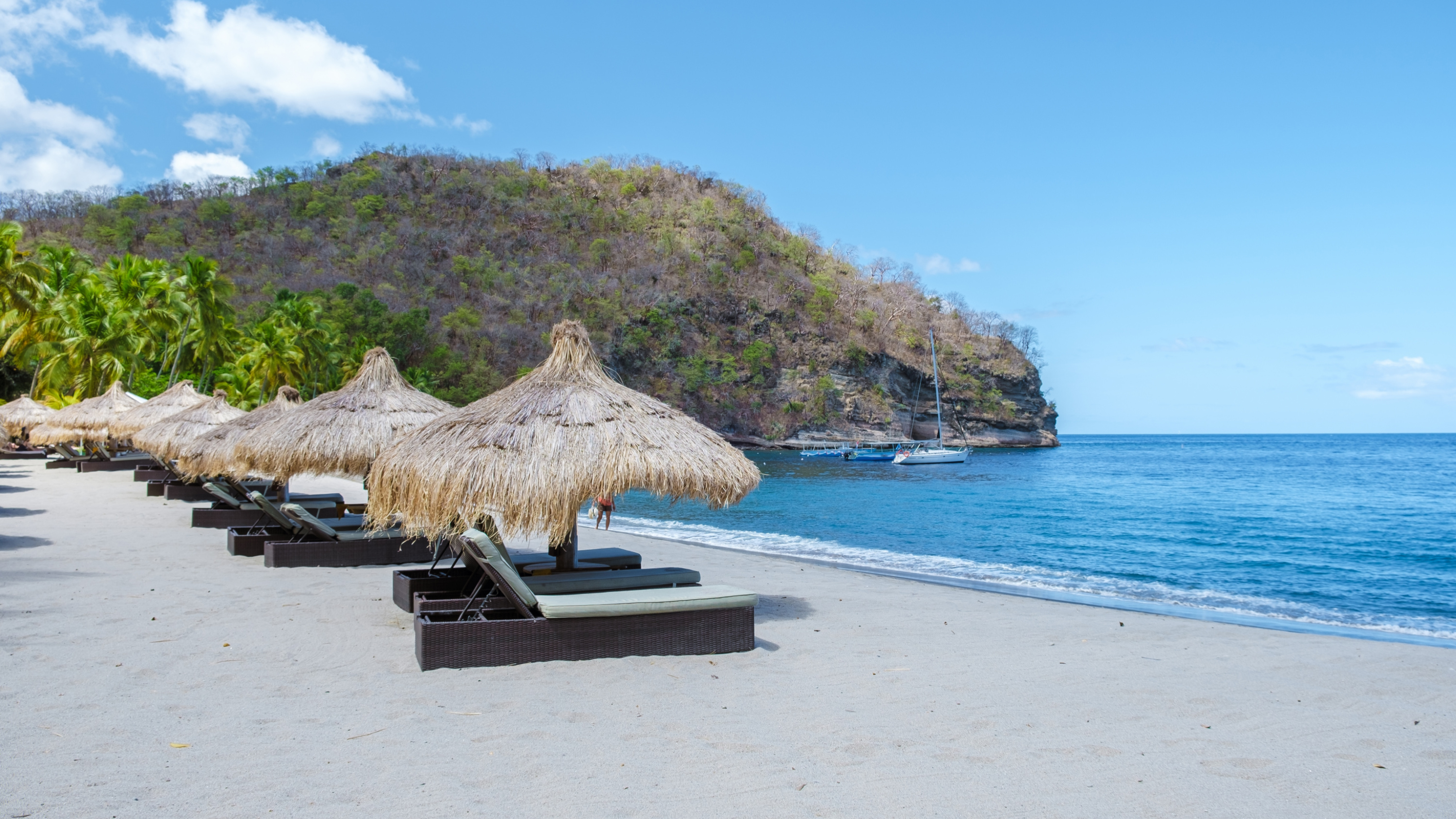
If you haven’t heard of St. Lucia before, don’t worry, you’re not alone. It’s a small island in the Eastern Caribbean, to the northwest of Barbados. You may be more familiar with the imagery of the massive Pitons emerging from the depths of the ocean on its coastline. These two volcanic plugs are both over 2,400 feet tall.
The island also offers a wide range of ecosystems: from lush rainforests to tropical beaches. St. Lucia is a nature-lover’s paradise that offers a high quality of life that’s a bit pricey. Although the country has an economy that is driven by tourism, there are enough tranquil pockets around the island to enjoy a peaceful retirement.
Estimated monthly cost: $2,000 to $2,800
Healthcare: St. Lucia offers both a public and private healthcare system. Expats typically pay a bit more to use the private clinics or hospitals.
Why retirees love it: Breathtaking scenery, relaxed island lifestyle and a welcoming, English-friendly community of locals.
Visa requirements: There is no specific retirement visa for St. Lucia, but after five years of continuous residency, expats can apply for permanent residency permits. Retirees can also gain permanent residency through its Citizenship by Investment program by donating money to the National Economic Fund or purchasing real estate.
7. Aruba
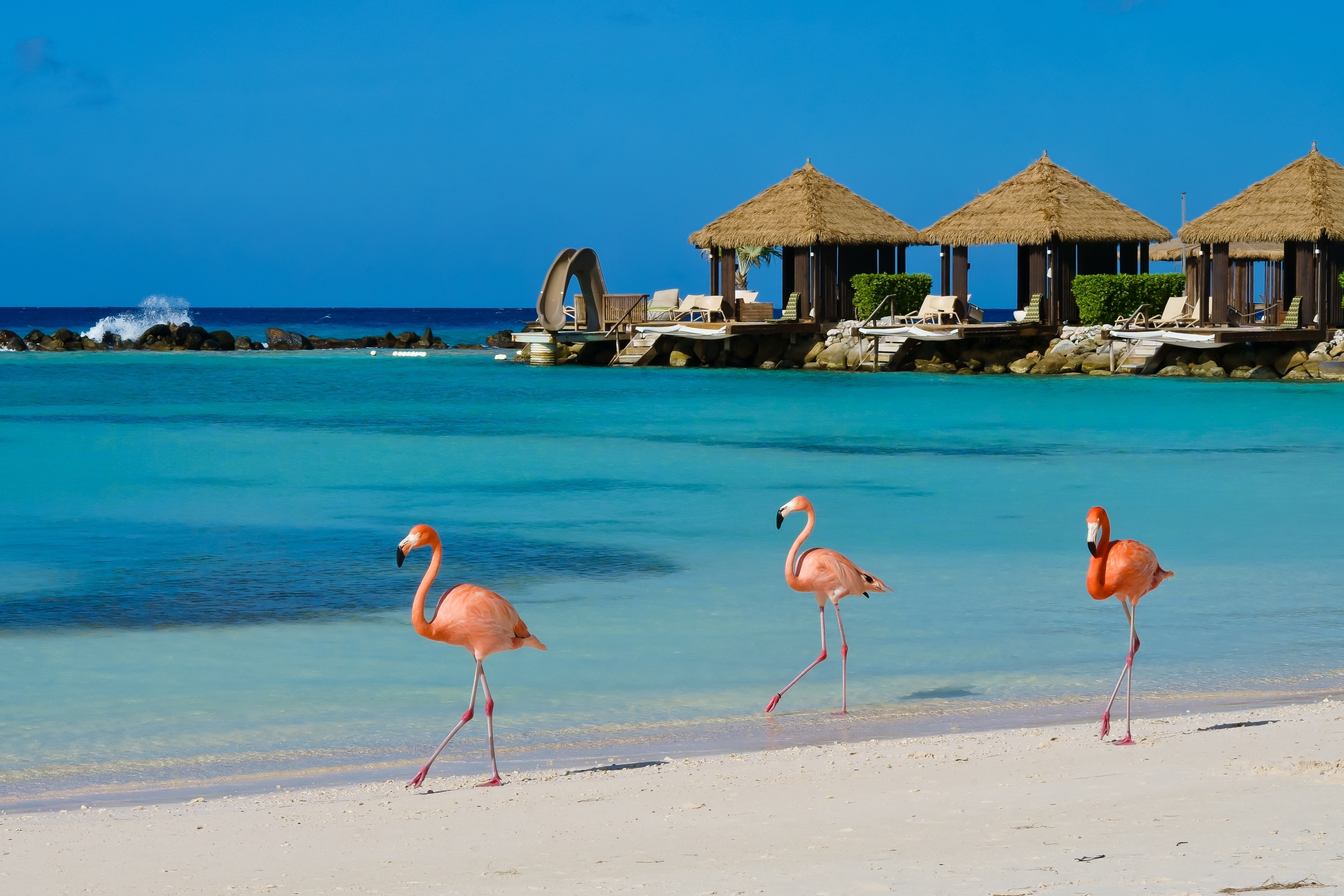
Aruba isn’t just a catchy lyric from a Beach Boys song. This Caribbean island is often considered the most developed in the region, and like Curaçao, it belongs to the Kingdom of the Netherlands. It’s a great way to enjoy a tropical Caribbean paradise with a distinct European influence, and is much friendlier on the wallet than retiring in Europe itself.
The healthcare system is top-notch, and it’s one of the safer islands in the Caribbean. The cuisine is an intriguing mix of both Latin and Dutch influences. Cost of living is on the higher side for the region, but most expats are more than willing to pay the higher cost in exchange for a stable retirement.
Estimated monthly cost: $2,200 to $3,000
Healthcare: Both the public and private healthcare systems are considered strong in Aruba. The island has modern facilities and European-trained doctors with a high standard of patient care.
Why retirees love it: Aruba has a low hurricane risk (outside the main hurricane belt), political stability, a clean and safe environment, beautiful beaches and modern infrastructure.
Visa requirements: For long-term residency, retirees must apply for a residence permit and demonstrate sufficient financial means to support themselves (typically through pensions or investments).
8. Grenada
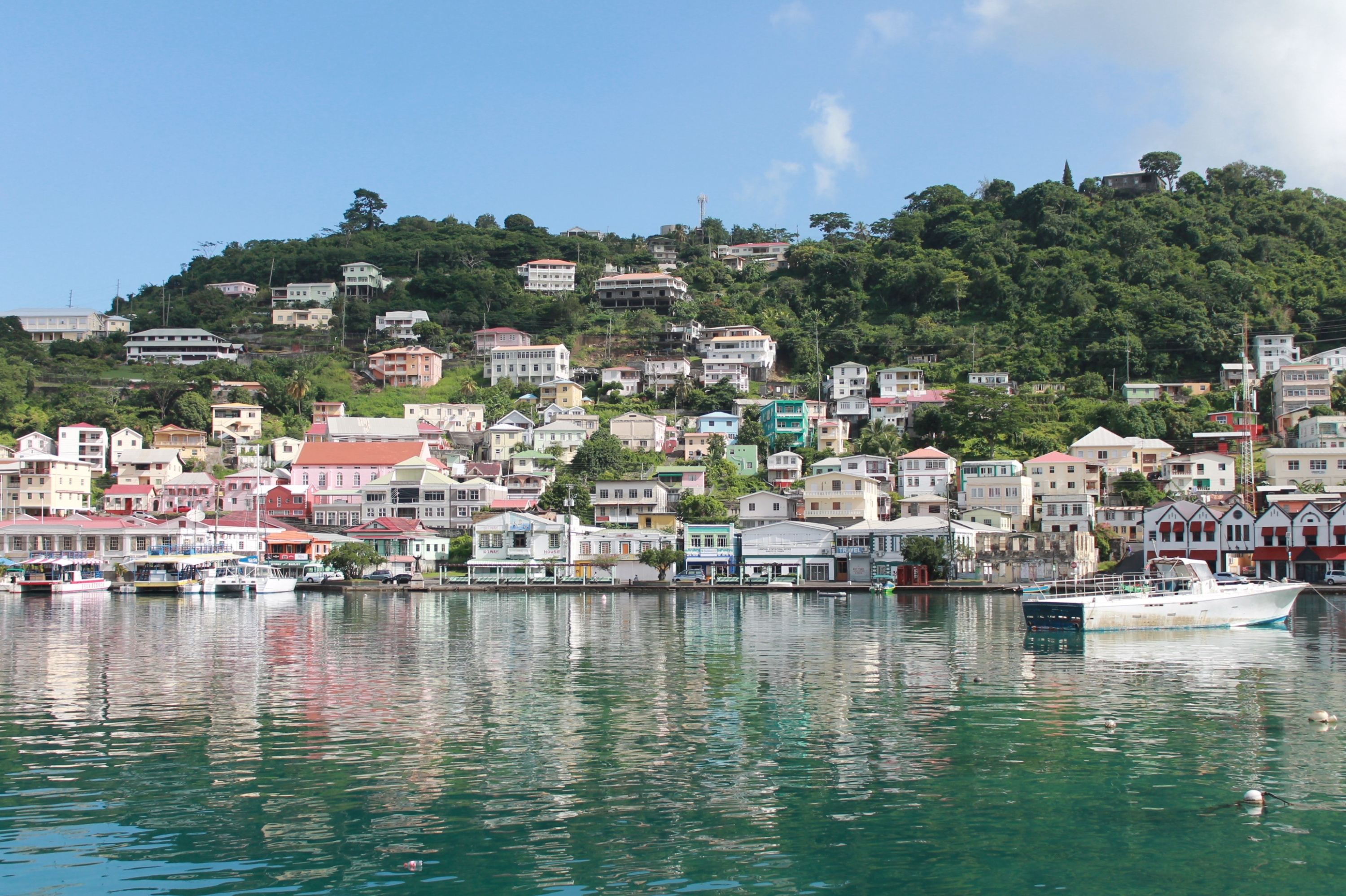
Grenada, known as the “Spice Isle,” offers a peaceful and affordable retirement option. It’s less crowded than some of the larger Caribbean destinations while also having a rich and welcoming culture. Grenada is usually not on many tourists’ vacation radar, making it a perfect place to enjoy a quieter retirement.
The compromise for a slower pace of life is a less developed infrastructure. Grenada is modernizing, but it certainly trails behind other more developed islands like Aruba or Barbados. Still, many find that a part of Grenada’s charm, and the low cost of living is an attractive trade-off.
Estimated monthly cost: $1,800 to $2,400
Healthcare: Like with many Caribbean islands, Grenada offers basic public healthcare and a paid private system with clinics that generally offer a higher standard of care.
Why retirees love it: Peaceful atmosphere, friendly local community, beautiful scenery, lower population density and a more authentic Caribbean lifestyle.
Visa requirements: To stay for longer than 90 days, Canadian retirees will require a residency permit that requires proof of financial means through a pension or investments. Grenada also offers Citizenship by Investment for those seeking permanent residency.
9. Antigua and Barbuda
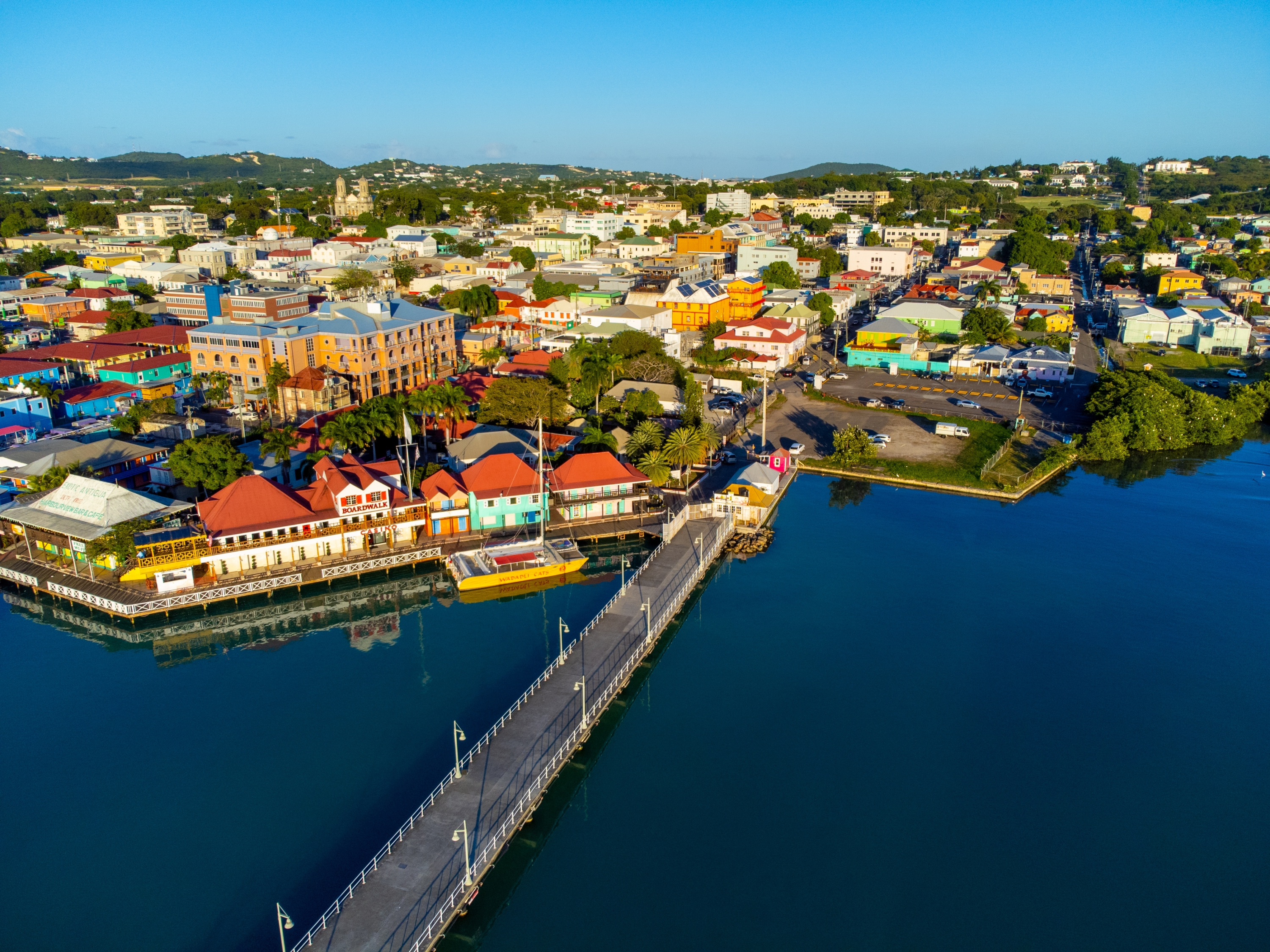
It’s said that Antigua and Barbuda have 365 beaches, one for each day of the year. While that may be a hyperbole, there is no disputing that these islands have some of the most scenic and beautiful coastlines in the world.
It’s also attractive for those seeking a peaceful and relaxing retirement. Antigua and Barbuda is a popular tourist destination, but one can enjoy a retirement there without worrying about over-commercialization or being overcrowded by tourists.
Living costs can be moderate to high, but the island’s safety, infrastructure and quality healthcare make it appealing for long-term living. Canadian retirees will appreciate how Antigua and Barbuda are another Caribbean nation with a strong expat community and English-friendly locals.
Estimated monthly cost: $2,000 to $2,700
Healthcare: Public healthcare is available, with private clinics offering higher-quality care. Medical infrastructure is fine, but major illnesses or procedures are best performed back in Canada.
Why retirees love it: Beautiful and generally uncrowded beaches, an English-speaking community and a strong expat presence.
Visa requirements: As with most Caribbean countries, you’ll need to apply for permanent residency if you want to retire in Antigua and Barbuda. You’ll have to provide proof of adequate income via investments or a pension, or you can apply for residency via the Citizenship By Investment program.
10. The Bahamas

When we talk about dream Caribbean destinations, the Bahamas is usually right at the top of the list. Retirees can enjoy a high standard of living, close proximity to Canada and English as the official language.
While being a major tourist destination can have its drawbacks when it comes to a peaceful retirement, there are also some benefits as well. As a result, the infrastructure is modern, the healthcare is great relative to the region and the politics are stable. The cost of living is higher, but when it comes to retiring in the Bahamas, you certainly get what you pay for.
Oh, and by the way, the Bahamas is a great place to escape taxes, as there are zero taxes on personal income, investment dividends and interest.
Estimated monthly cost: $2,500 to $3,500
Healthcare: The Bahamas has both public and private healthcare systems. Expats who wish to have the best service usually opt for the higher-quality private hospitals and clinics in larger cities like Nassau.
Why retirees love it: Close to Canada (3.5 hours from Toronto), strong expat community, beautiful beaches, no income tax, stable government and modern amenities and infrastructure.
Visa requirements: The Bahamas has a bit of a stricter policy on gaining permanent residence. Canadian retirees can live there for up to eight months without a visa, but if they want to seek permanent residency, they can fast-track that by investing in property worth at least $500,000.
11. Trinidad and Tobago
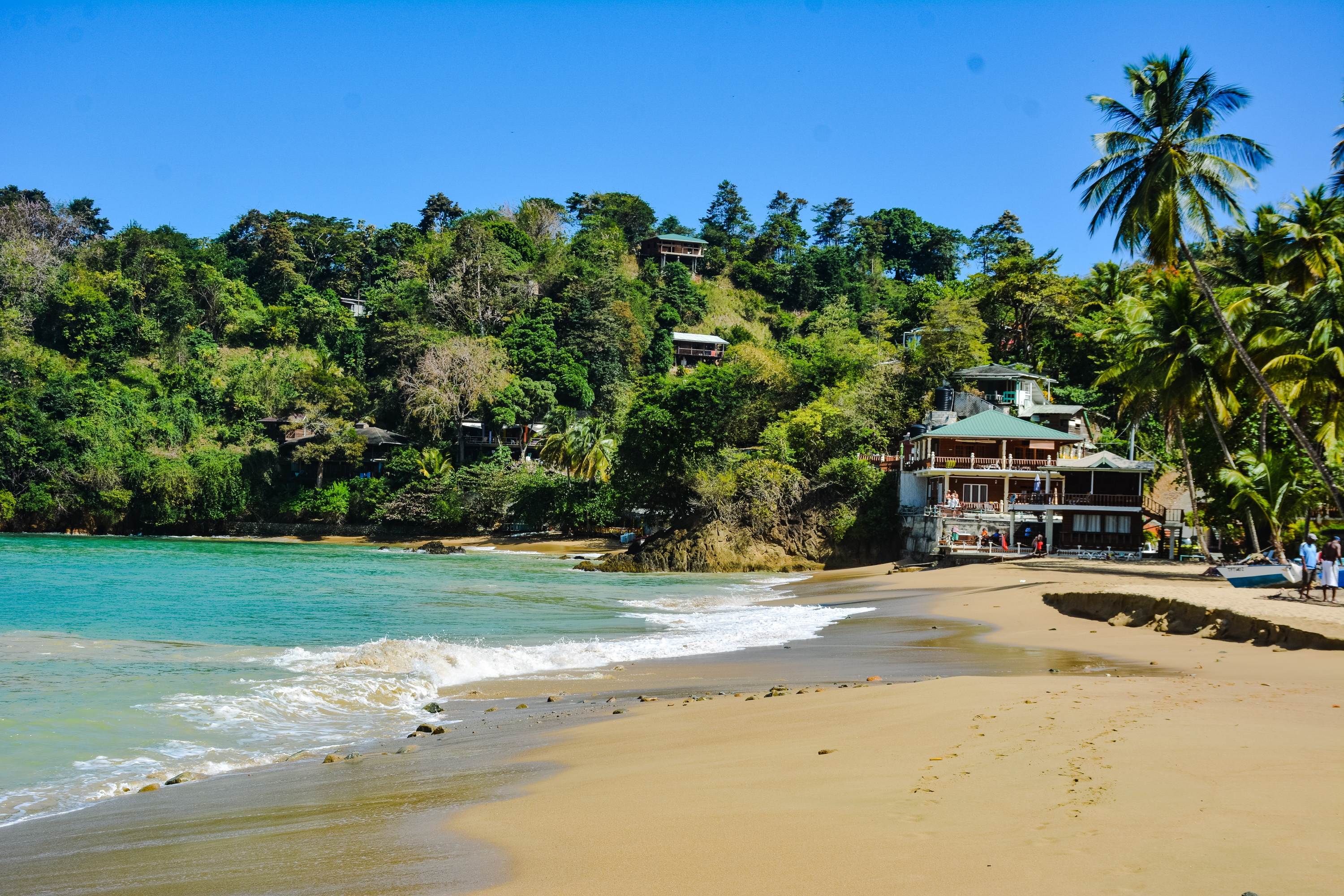
If you like heat and proximity to major countries in South America, then the islands of Trinidad and Tobago may interest you. While this country is a part of the Caribbean, Trinidad and Tobago sit just 11 kilometres off the coast of Venezuela. Being further south than its Caribbean neighbours has its benefits: a warm, tropical climate, lower tourism and minimal hurricanes.
Trinidad and Tobago rely on industry for its economy, rather than tourism like the Bahamas or Barbados. This means that a retirement here can give you that relax-on-the-beach life you’re seeking, without a resort-driven economy. But don’t mistake Trinidad and Tobago for an underdeveloped country. It is the third-wealthiest per capita in North and South America due to its high oil and gas reserves.
Don’t let the quiet island life trick you into thinking that the nation’s locals don’t know how to have a good time. If you’re ever there, be sure to check out the annual Carnival celebration, which usually takes place in February.
Estimated monthly cost: $1,800 to $2,500
Healthcare: A dual healthcare system allows expats to take advantage of a high-quality private system with more modern facilities and shorter wait times.
Why retirees love it: Rich culture, quieter than other tourism-dominant islands, tropical heat and minimal hurricanes.
Visa requirements: Canadians can stay up to 90 days in Trinidad and Tobago. After that, retirees will need to apply for residency via a Retirement Certificate, which requires proof of independent and sufficient income.
FAQs
What is the cheapest and safest Caribbean island to live?
There will always be conflicting opinions on what constitutes a safe island to live on. The safest are likely Barbados or the Bahamas, but they are by no means the cheapest. Trinidad and Tobago offers a great balance of safety, stability and an affordable cost of living.
What is the best Caribbean island for seniors?
Barbados would be a top choice for seniors. It’s safe, has both excellent healthcare and modern infrastructure alongside political stability.
What is the best tropical island for retirement?
The best tropical island for retirement depends on personal priorities. For affordability and a lower cost of living, Belize and Jamaica make fine retirement destinations. For healthcare and stability, Barbados and Aruba are excellent choices. For a premium lifestyle, the Bahamas and St. Lucia offer unmatched beauty and comfort.
You May Also Like
- This 7-step plan from Dave Ramsey is designed to help you ditch debt, save more and build wealth — here’s how it works
- Prioritize these 4 critical investments and watch your net worth skyrocket
- Here are 8 solid money moves that could free up real cash every month — here's where to start
- Millionaires under 43 are reshaping investing — just 25% of their portfolios are in stocks. Here’s where their money is going
The most expensive financial mistakes are often the ones you don't see coming. Join 19,000+ Canadians who get the money moves, risks and opportunities shaping their finances — delivered free each week. Subscribe now.

Noel Moffatt is a Canadian fintech expert with a passion for simplifying personal finance. Based in St. John’s, NL, he draws on his background in finance, SEO, and writing to deliver clear explanations and actionable advice. Noel is dedicated to equipping readers with the knowledge and tools they need to make informed financial decisions, striving to make personal finance more accessible and understandable through his in-depth articles and reviews.