Jul 4, 2026
While we adhere to strict editorial guidelines, partners on this page may provide us earnings.
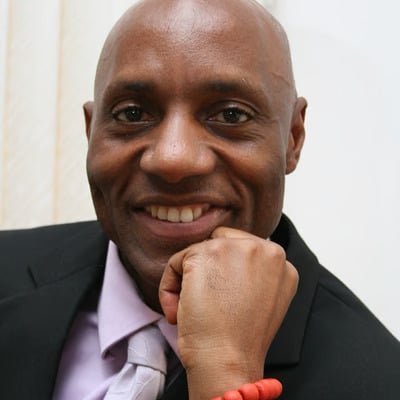
David Chilton — the barbershop philosopher who turned “pay yourself first” into a Canadian household phrase — is stepping back. After almost 40 years building the Wealthy Barber persona, the 64-year-old author says he is ready to “drift away” from public life at the end of 2026. In a recent interview, he confessed that watching his friends battle health issues, plus the arrival of his first grandchild, were the biggest reasons for his decision.
For nearly four decades, Chilton’s message barely changed. Save 10% of every paycheque before you spend a dime. Keep investment fees low. Do not wait for a windfall to start. It was simple advice, and it worked partly because Canadians trusted the messenger as much as the math.
What happens when the trusted voice steps back
That trust is exactly what his retirement puts to the test. Financial guidance built around one recognizable voice can quietly become a substitute for an actual plan. When that voice steps back, retires or simply falls out of favour, the habits built around it need to survive without it.
Thanks for subscribing!
The best of Money.ca delivered weekly.
By signing up, you accept Money.ca Terms of Use, Subscription Agreement, and Privacy Policy.
Despite stepping back from the limelight, Chilton believes a few people will step in to fill the personal finance gap. As he explained in an interview with Globe Advisor reporter, Deanne Gage, Chilton believes Canadians can turn to financial influencers, including Ben Felix, chief investment officer at PWL Capital Inc. and co-host of the Rational Reminder podcast and pay for help from specialists like Calm Money Coach, a CPA based out of Halifax, NS.
The more useful question for readers is not who to follow next, but whether their own retirement basics will hold up without a single influencer.
Advertisement
***Take control of your money.***You can’t control inflation, interest rates or market swings — but you can control where your money goes. When every dollar has a job, money feels less stressful. Find the budgeting app that helps you take control of your finances. Compare Canada’s Best Budgeting Apps
Must Read
- A single line on your car insurance policy could be inflating your premium by up to 30% — here's what to change
- Here are 5 'must-haves' that Canadians constantly overpay for. How many of these are sabotaging your budget every single month?
- Here are the 5 biggest differences between rich and poor Canadians — which side do you fall on?
Join 20,000+ readers and get Money.ca’s best stories and exclusive interviews first — clear insights curated and delivered weekly. Subscribe now.
Do your retirement basics still work in 2026?
The good news is that the tools Chilton spent decades promoting have only gotten stronger.
For 2026, the Canada Revenue Agency (CRA) held the tax-free savings account (TFSA) limit at $7,000 for a third straight year, bringing total available room to $109,000 for anyone eligible since 2009 who has never contributed. The registered retirement savings plan (RRSP) limit climbed to $33,810 for 2026, up from $32,490 the year before, based on 18% of a saver’s 2025 earned income. The first home savings account (FHSA) still allows up to $8,000 a year toward a $40,000 lifetime maximum for first-time buyers. And each account rewards a different kind of saver.
The TFSA suits anyone who wants flexibility, since withdrawals are tax-free and the room comes back the following year. The RRSP works best for higher earners today who expect a lower tax bracket in retirement, since contributions are deducted now and taxed on withdrawal. The FHSA is narrower by design — it only helps first-time buyers, but it stacks the tax break of an RRSP with the tax-free growth of a TFSA.
No matter what your goal, using a registered retirement account (or more than one) is a key part of Chilton’s pay yourself first philosophy.
Are you in a profession that puts you in the top tax bracket? Then you need to work with fintech and finance companies that know your needs. For instance, eligible professionals can unlock up to $1,313 in annual savings when banking with National Bank. This special offer includes up to 3 bank accounts with no fixed monthly fees, and an eligible Mastercard rewards credit card (certain fees apply). See if your profession qualifies
A habit beats a hero
Why is Chilton’s mantra of save first so important? Take, for instance, a 30-year-old Canadian who commits to saving $500 each month, split between a TFSA and an RRSP. At the end of the year, that saver would have saved $6,000. At a conservative 5% average annual return, the habit of setting aside $500 per month would grow to roughly $416,000 by age 60 — without ever needing to time the market or follow any particular guru’s stock picks. As Chilton consistently pointed out, the math rewards consistency, not personality.

Advertisement
That does not mean influencers and personal finance authors are useless. Chilton’s own books sold more than two million copies in Canada precisely because plain-language advice reaches people, while dense jargon-based guides do not. In the end, though, Chilton’s eventual departure from the Canadian personal financial space shows that no single voice should dictate your entire retirement plan. If Chilton, or any other financial personality, disappeared tomorrow, your contribution habits, account choices and fee awareness should not disappear with them.
Speaking of fees: What you pay matters
Fees matter just as much as the account type. A 1% difference in annual investment fees, compounded over 30 years, can quietly shrink a $416,000 balance by tens of thousands of dollars. Chilton spent 40 years hammering that point home. As a result, checking your fees — and looking for ways to save — is one habit that should outlast any single voice teaching it.
Tired of high commissions eating your returns? Compare Canada’s top discount brokerages and switch to a $0-commission platform today.
What to do now
To continue building sound financial habits, consider implementing each of the following as part of your money management habits.
- Log into your CRA My Account and confirm your actual 2026 TFSA and RRSP room before contributing to any registered retirement fund
- Automate a fixed percentage of every paycheque into a TFSA, RRSP or FHSA, rather than contributing whatever is left over
- Compare the fees on your current investment accounts against low-cost options such as an EQ Bank TFSA savings account or a Questrade self-directed account
- If you rely on one financial personality for guidance, name a backup source, such as a fee-only planner, before you need one
Get your money working for you. Every dollar you save on fees is a dollar that stays invested and working toward your future. Whether you’re building a TFSA, growing your RRSP or investing in a non-registered account, the right brokerage can help you keep more of your returns. Compare discount brokerage accounts or check out Questrade, the online brokerage that combines low-cost investing with powerful research tools. Open an account and pay $0 commission on stock and ETF trades. Get $50 cash back (plus new customers can get up to $500 using code GET500. Offer ends July 23, 2026.) Start investing with Questrade
The takeaway once the guru logs off
Chilton is not leaving Canadians without options. Younger financial educators are already stepping into the space he built, and the registered accounts he championed are more generous in 2026 than at almost any point since they launched. The real test is whether the habit survives the personality.
A plan that depends on checking in with one trusted voice every few months is still a plan worth having. But a plan that could run on autopilot for a year without that voice is a stronger one. Use this moment, not to find a new guru, but to confirm your own numbers are current and your contributions are automated.
You May Also Like
- This 7-step plan from Dave Ramsey is designed to help you ditch debt, save more and build wealth — here’s how it works
- Prioritize these 4 critical investments and watch your net worth skyrocket
- Here are 8 solid money moves that could free up real cash every month — here's where to start
- Millionaires under 43 are reshaping investing — just 25% of their portfolios are in stocks. Here’s where their money is going
The most expensive financial mistakes are often the ones you don't see coming. Join 19,000+ Canadians who get the money moves, risks and opportunities shaping their finances — delivered free each week. Subscribe now.

Romana King, Senior Editor at Money.ca, also writes for various North American publications and the RKHomeowner blog. Her book, House Poor No More, is an Amazon bestseller and five-time award winner, including the 2022 New York CPA Society's Excellence in Financial Journalism (EFJ) Book Award.